
June 2, 2025
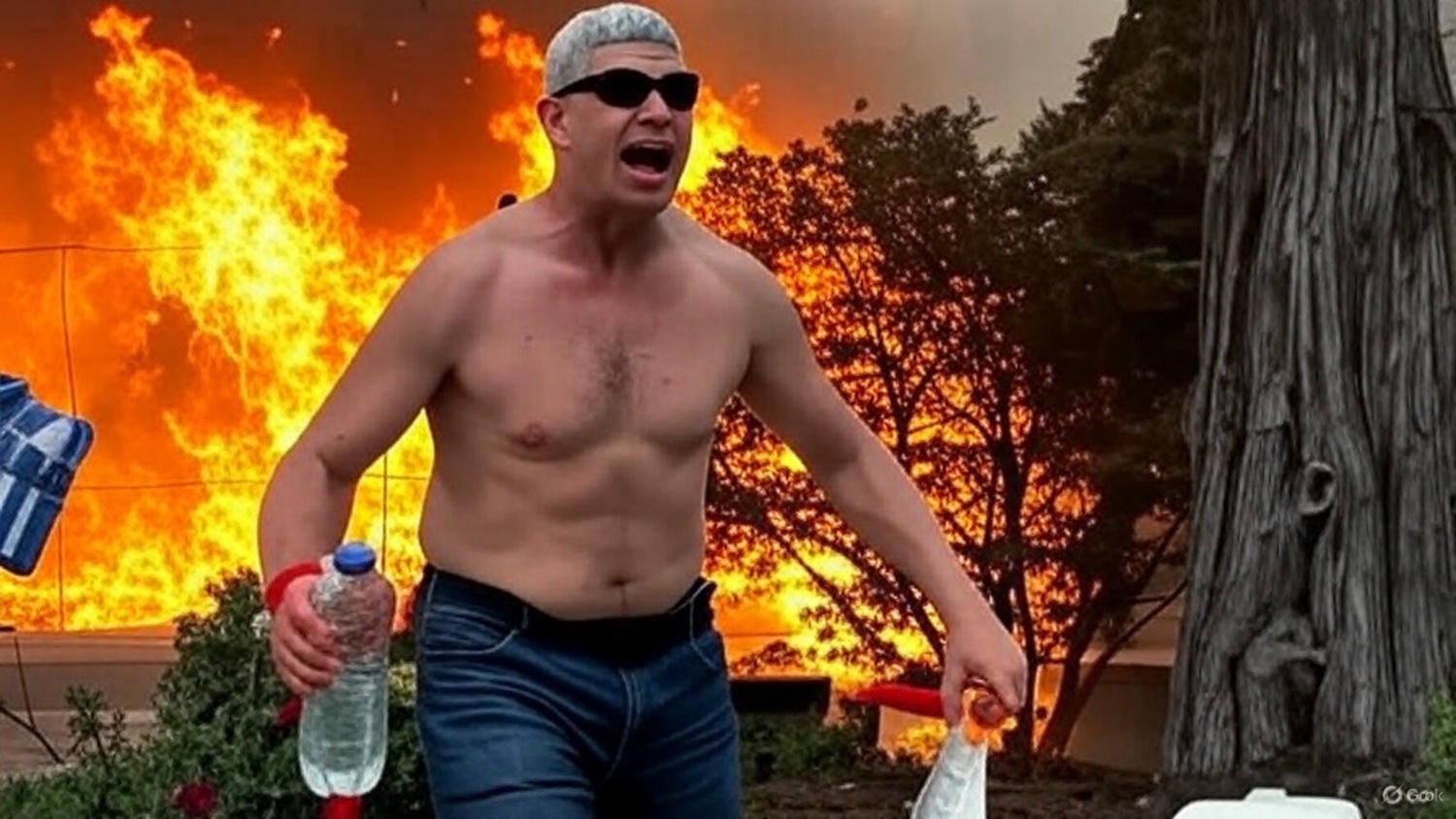
On June 1, 2025, Boulder, Colorado, erupted into chaos when Mohamed Sabry Soliman, a 45-year-old Egyptian national, unleashed a horrifying assault on a pro-Israel vigil. Armed with Molotov cocktails and a makeshift flamethrower, Soliman targeted the “Run for Their Lives” event, a peaceful gathering advocating for the release of 101 Israeli hostages still held by Hamas since the October 7, 2023, attack that killed 1,200. Shouting “Free Palestine” and “End Zionists,” Soliman injured eight attendees, aged 52 to 88, including a Holocaust survivor who suffered severe burns. The FBI swiftly labeled it a “targeted terror attack,” charging Soliman with murder, felony assault, and hate crimes. This shocking incident, which left the community reeling, reflects a 200% surge in antisemitic violence across the U.S. since 2023, per ADL data, as global tensions spill onto American soil.
Half a world away, accusations of Israeli Defense Forces (IDF) killing 31 Palestinians during a humanitarian food delivery in Rafah, Gaza, on June 1, 2025, have intensified the Israel-Hamas conflict. Hamas’s claims, amplified through social media campaigns reaching 1.2 million users, lack corroboration, with the Gaza Humanitarian Foundation reporting the aid distribution occurred without incident. Independent analysts suggest Hamas’s narrative aligns with its history of inflating casualty figures by 30-40% to stoke anti-Israel sentiment, a tactic documented by the Meir Amit Intelligence Center. Israel denies responsibility, pointing to Hamas’s pattern of exploiting civilian suffering for propaganda, further muddying the path to peace.
Meanwhile, a chilling UN report exposes Iran’s dangerous nuclear advancements, with its 60% enriched uranium stockpile swelling to 408.6 kg, enough for 9-10 nuclear bombs if enriched to 90%, according to the International Atomic Energy Agency. Iran’s covert activities at undeclared sites, detected via satellite imagery in 2024, have heightened fears of a nuclear breakout within months. This looming threat, coupled with Iran’s backing of Hamas with $150 million annually, per U.S. intelligence estimates, raises the specter of a multi-front conflict.
President Donald Trump, briefed on the Boulder attack, navigates a treacherous Middle East landscape. His administration is pushing a high-stakes diplomatic deal to halt Iran’s nuclear ambitions, urging Israel to hold off on preemptive strikes against Iran’s facilities. Yet, Israeli Prime Minister Benjamin Netanyahu, citing Iran’s support for Hamas and Hezbollah, is poised to act within 72 hours, risking a regional war. Trump’s dual objectives, securing a nuclear deal while backing Israel’s campaign to dismantle Hamas, which holds 101 hostages, hang by a thread. Since October 2023, Israel’s operations have neutralized 17,000 Hamas fighters, per IDF reports, but civilian casualties, estimated at 41,000 by Gaza health officials, fuel global outrage.
The world teeters, as it so often does, on the edge of catastrophe. Soliman’s attack in Boulder, Hamas’s inflammatory claims, and Iran’s nuclear advances are interconnected flashpoints driving a volatile trajectory. If Israel escalates its offensive against Hamas and strikes Iran, defying Trump’s diplomatic efforts, the Middle East could ignite. While I think the tipping point could be reached much sooner, 60% of analysts surveyed by Foreign Policy are predicting a wider conflict by 2026. The Boulder attack, mirroring a 150% rise in global antisemitic incidents since 2023, underscores how distant conflicts spark local violence. Without urgent de-escalation, these converging crises, fueled by propaganda, terror, and nuclear ambition, threaten a devastating global reckoning.
 The Global Nexter