
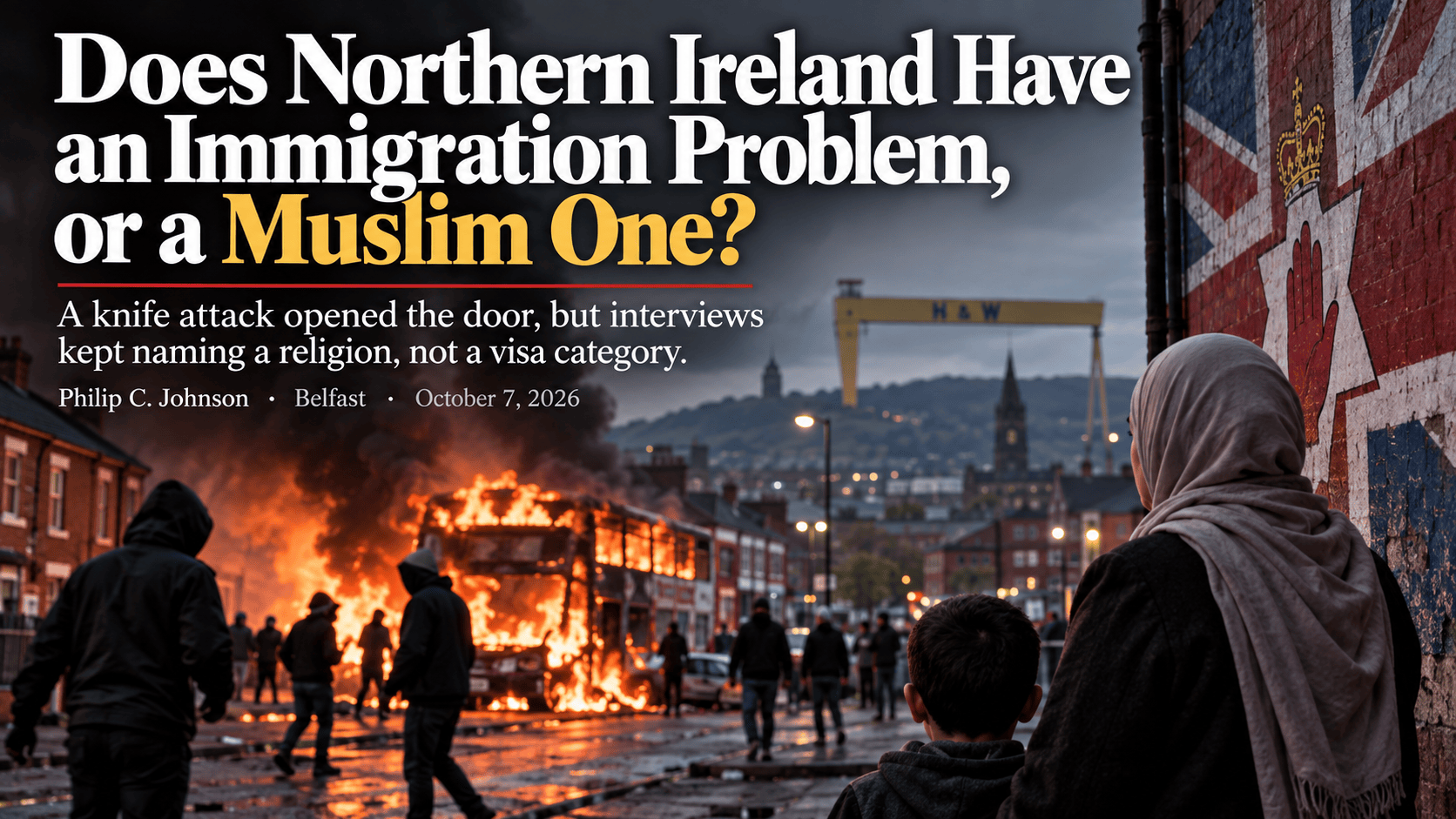
A knife attack opened the door, but interviews kept naming a religion, not a visa category.
Philip C. Johnson · Belfast · October 7, 2026
I came to Belfast because of a knife attack. And because of what happened after it.
On June 8, Stephen Ogilvie was attacked with a knife on Kinnaird Avenue in north Belfast in an apparent attempted beheading. Video showed a man on top of him as bystanders intervened, one striking the attacker with a hurley until police arrived. Ogilvie lost his left eye and suffered deep wounds to his head, face and back. And the video went viral.
Hadi Alodid, now 31, was charged with attempted murder and possessing a knife. While being treated hospital, he allegedly threatened to kill an NHS radiographer and was subsequently charged over that threat.
Initially identified as Sudanese, police later said he may be from Chad. He had arrived in Northern Ireland by bus from Dublin in 2023 after traveling through Paris, claimed asylum and was granted leave to remain in the United Kingdom until 2028. His case has now been sent to Crown Court. He has not been convicted.
Then Belfast exploded.
Masked men attacked homes associated with immigrants. Cars burned. A bus burned. Families were driven from their houses. Foreign healthcare workers were intimidated. Police described the disorder as racially motivated.
But after a week interviewing people across Belfast—politicians at Stormont, journalists, loyalists, anti-immigration activists and Syrian refugees—I became less convinced that immigration adequately describes the argument taking place here.
Again and again, the conversation became about Islam.
That is peculiar because Northern Ireland hardly resembles the European cities where immigration has transformed entire neighborhoods. Belfast is still overwhelmingly white. There are no vast Muslim districts comparable to parts of Paris, Brussels or London.
Journalist Amanda Ferguson considers that fact essential.
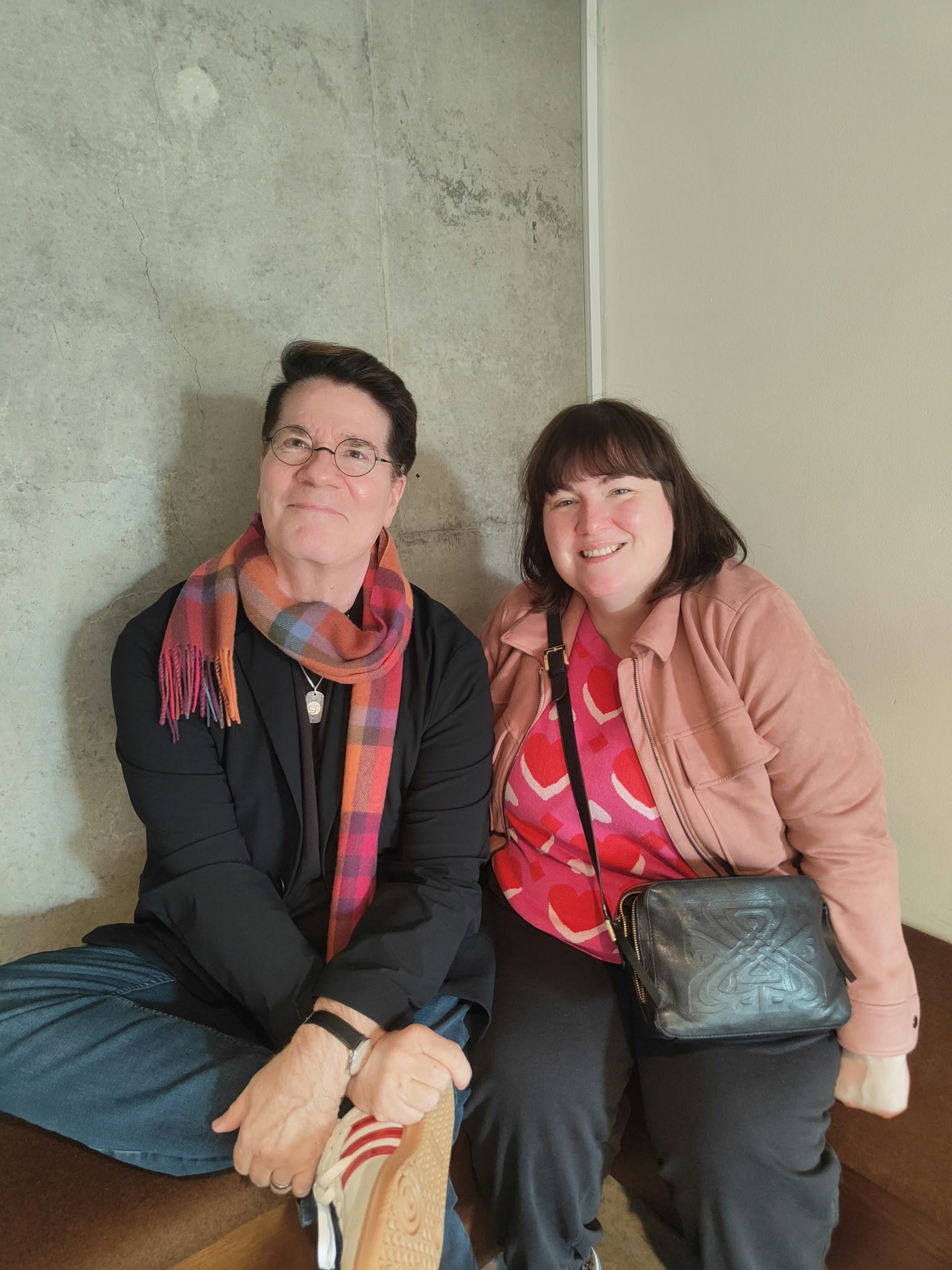
“The idea that there’s mass immigration, that people are swamping the system here, just isn’t true,” she told me.
For Ferguson, the June violence fits a disturbing pattern. “As soon as you hear that someone involved in a crime that horrifies people isn’t white, you wonder: when is the trouble going to start?”
She sees poverty, poor housing, social-media manipulation and old habits of street violence converging on an easier target: the outsider.
“There seems to be an emerging hierarchy of who’s an acceptable migrant,” she said.
Doctors and nurses are welcomed, though not entirely shielded by their status. Refugees and asylum seekers are treated differently.
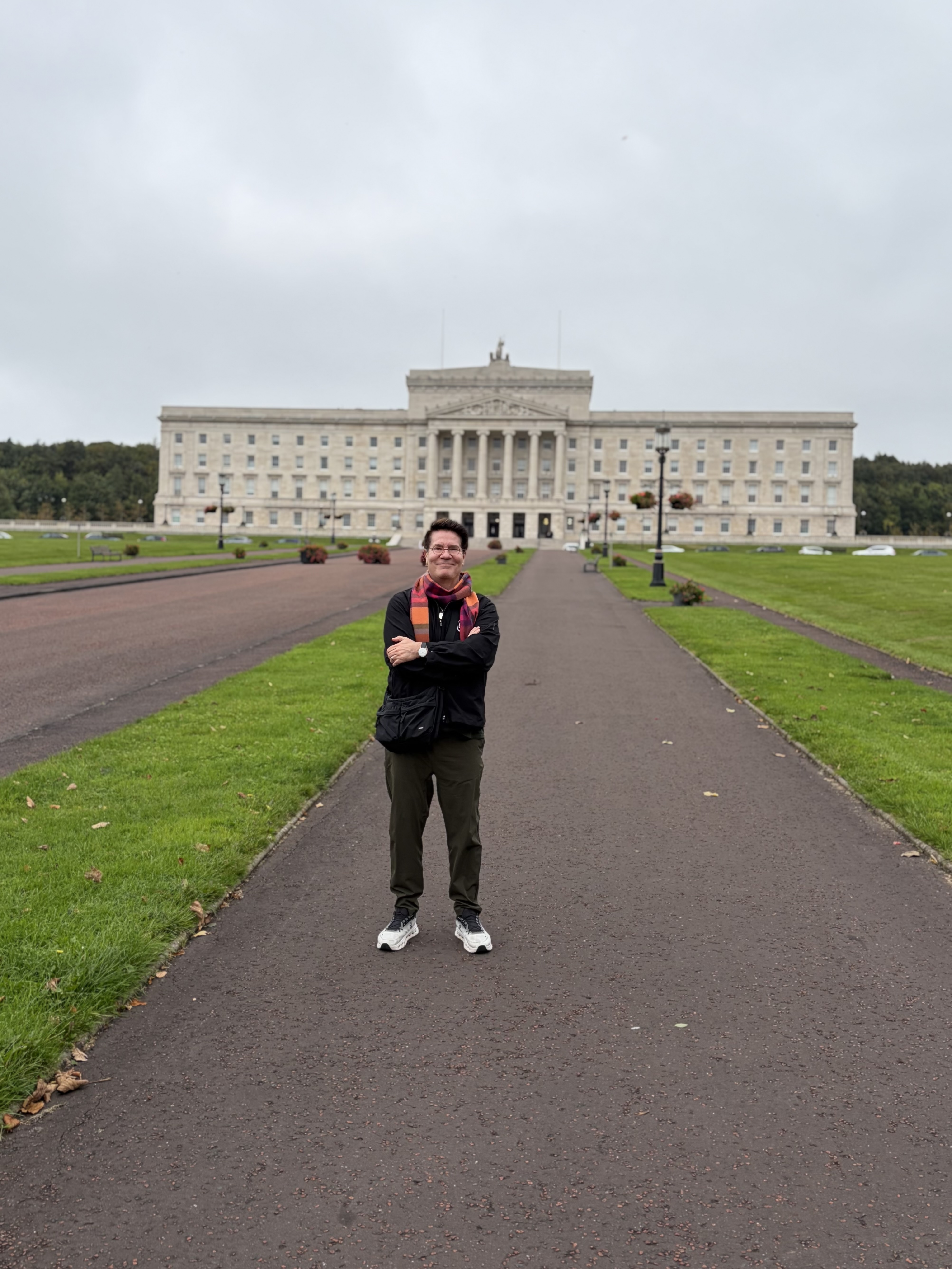
At Stormont, Alliance MLA Peter McReynolds made a similar case. Northern Ireland’s immigration numbers are small. Economic deprivation preceded the immigrants. Online misinformation magnifies incidents into evidence of invasion. The response, in his view, should be facts, policing and an absolute refusal to turn the alleged crime of one foreign-born man into collective guilt.
It is a powerful argument.
But it does not completely explain what I heard elsewhere.
Tracy Kelly, who recently completed a term as Lord Mayor of Belfast, made a distinction I heard repeatedly in working-class unionist communities. The problem, as she sees it, is not simply foreigners coming to Northern Ireland.
Filipino nurses staffing hospitals? Fine.
People who come legally, work and participate in the life of the country? Fine.
But young men arriving from Muslim-majority countries raise different questions for her—not simply about numbers, but assimilation, security and whether the values newcomers bring with them are compatible with the society receiving them.
Jim Dowson dispenses with even those qualifications.
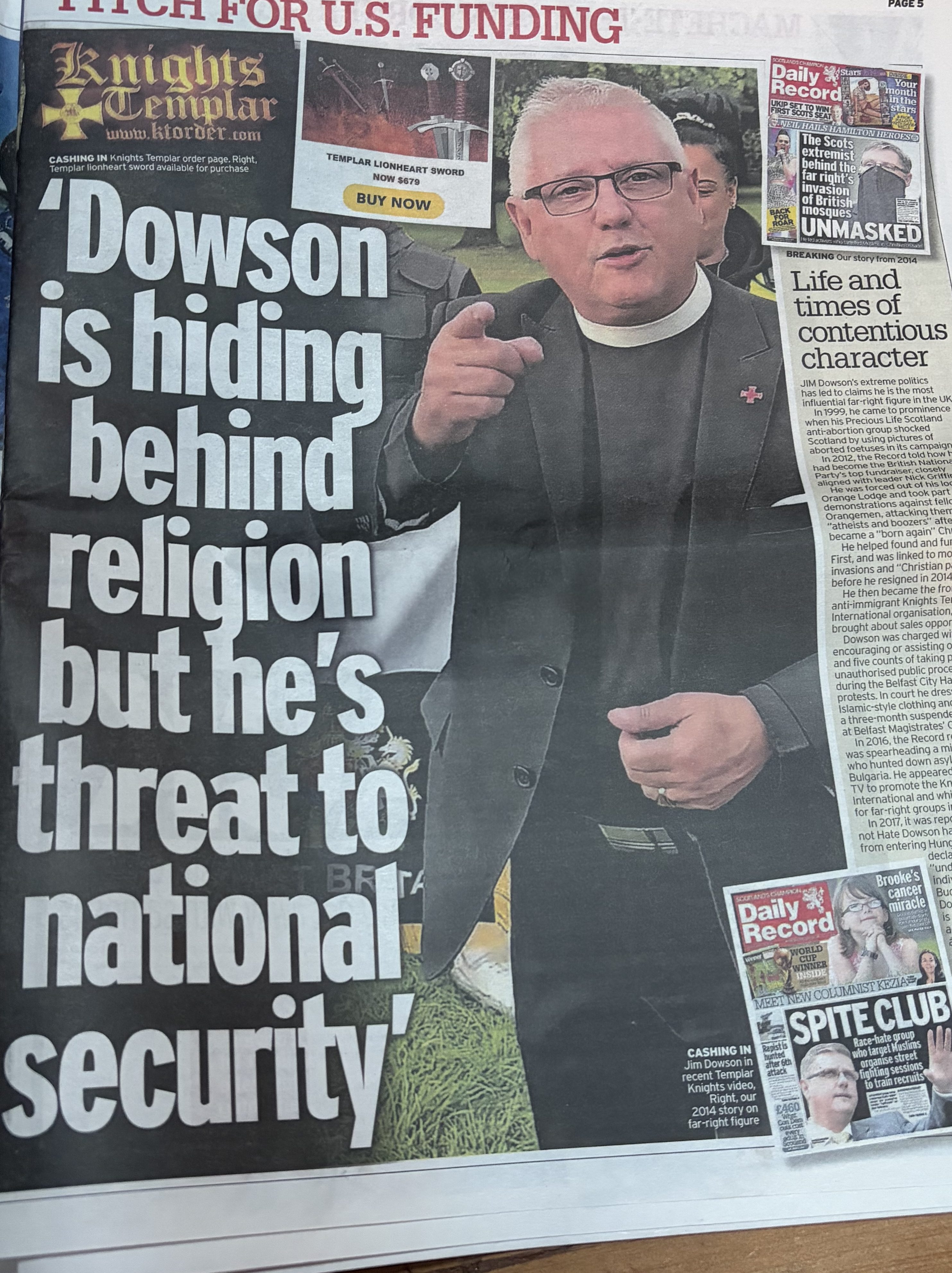
Dowson is a Scottish-born Protestant activist, former British National Party fundraiser, co-founder of Britain First and now a leading figure in Knights Templar International. Hungary barred him from entering the country in 2017 after authorities classified him as a national-security threat, a characterization he disputed. Far from appearing embarrassed by the designation, Dowson grinned as he showed me the newspaper articles and photographs about it.
His organization has also raised money for what it calls night patrols, providing activists with equipment including protective vests, cameras and radios.
Critics call that vigilantism. Dowson says his men carry no weapons and make no arrests.
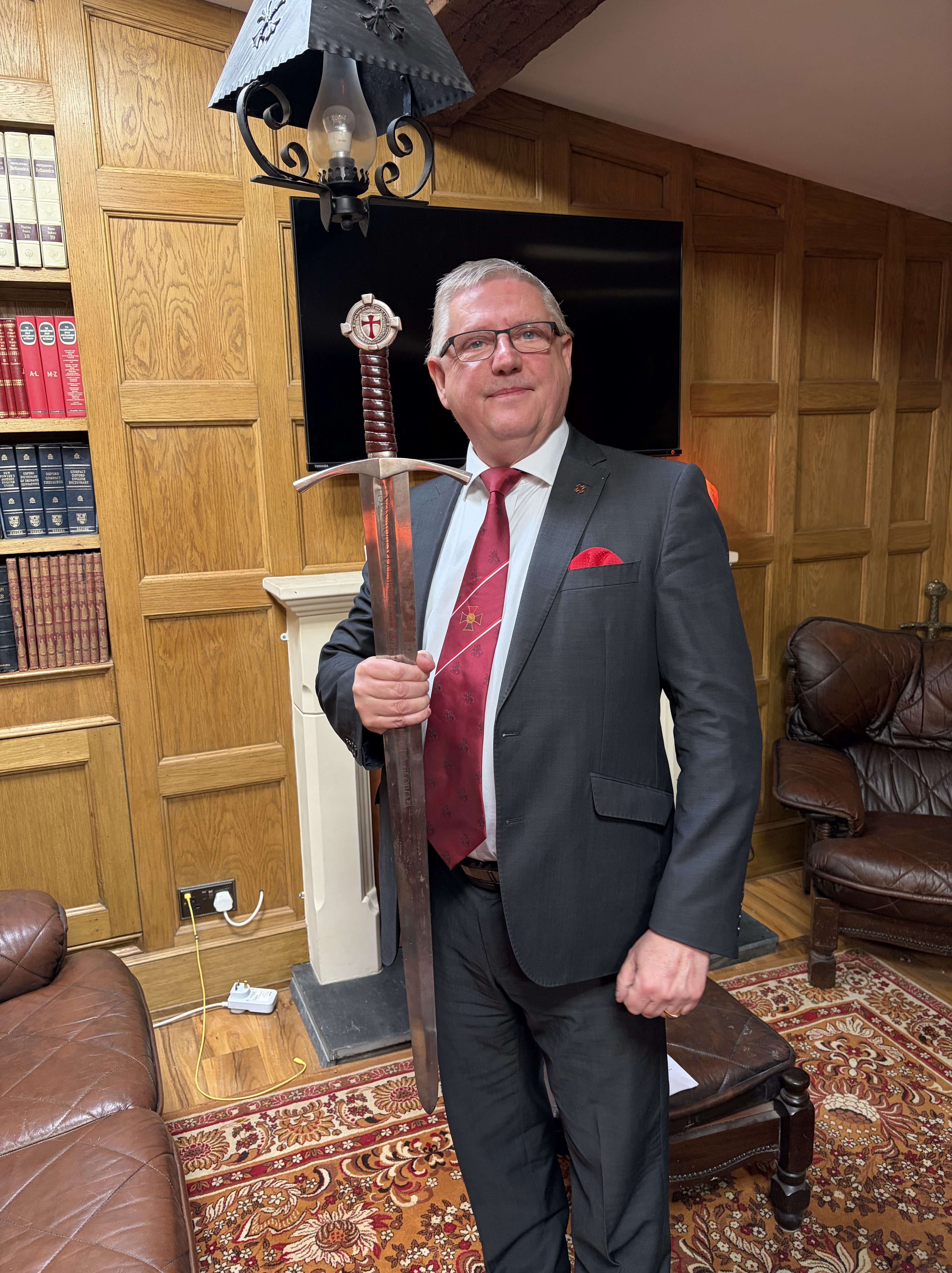
When I asked him about immigration, however, he immediately separated immigration from Islam.
Poles are not the problem, he told me. Neither are Filipinos or Hungarians. Even the political obsession with illegal immigration, he argued, misses the larger issue because many more immigrants enter legally.
His concern is Muslim immigration.
I pushed him further. Suppose Britain stopped Muslim immigration tomorrow but retained the Muslim population already living here. Would the problem, in his mind, be solved?
Absolutely not.
For Dowson, Islam itself is the problem.
When I asked whether he explicitly wanted Northern Ireland to remain a white, Christian-majority society, he did not retreat.
“Guilty as charged.”
His defense of what happened in June was more troubling.
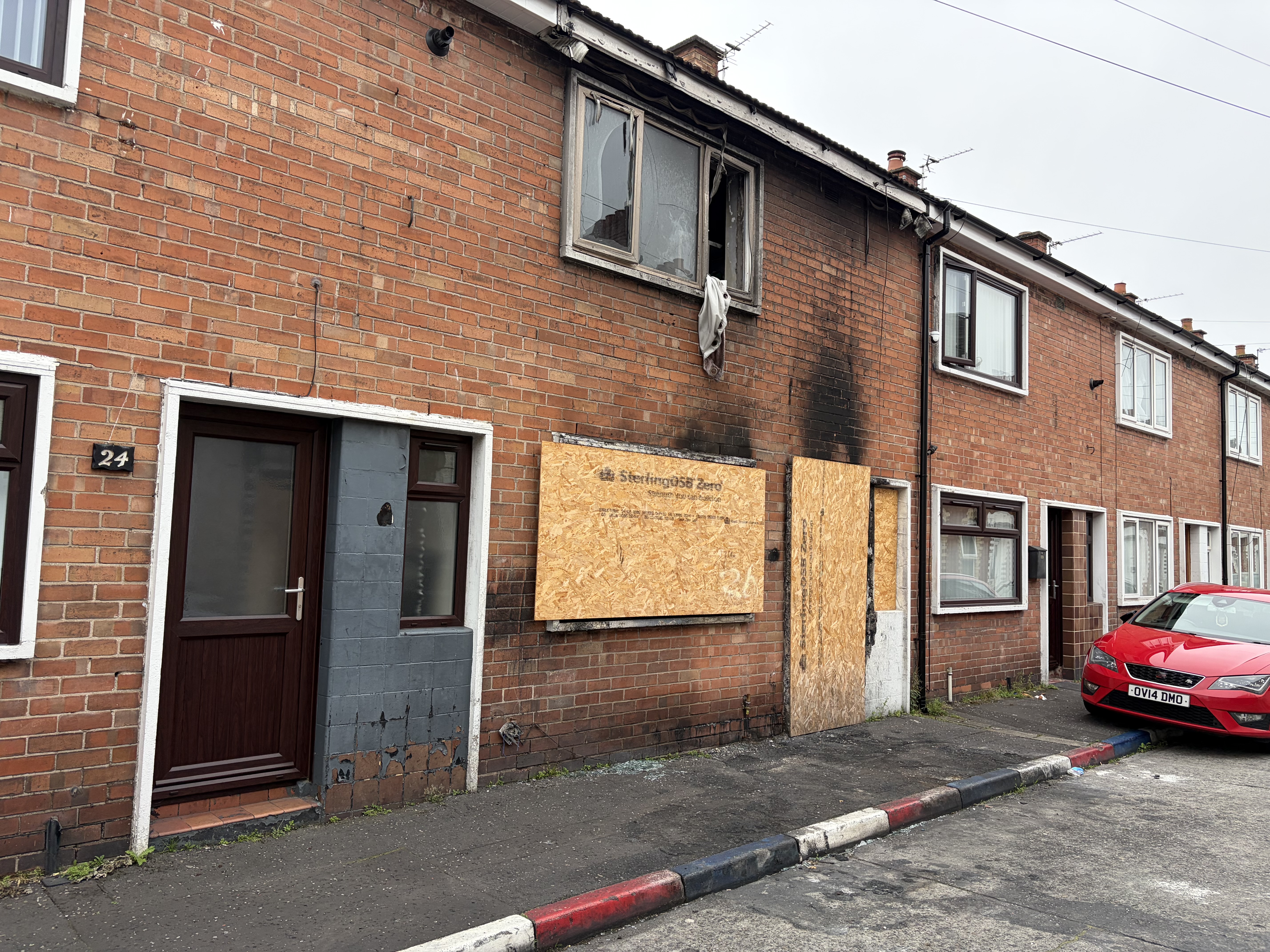
Everyone I interviewed who was close to the violence seemed to occupy an unusual position: nobody had burned anyone out of a house. Nobody had smashed a window. Nobody had lit a match.
But somebody they knew always seemed to know somebody who had.
Dowson would not unequivocally condemn residents who went door to door telling immigrants to leave streets where houses were subsequently attacked or burned. He blamed government for placing immigrants into poor communities already struggling with housing and public services. He told me he could see no alternative left to some residents.
And then I met three Syrian refugees.
That conversation complicated the story more than anything I heard at Stormont.
Sitting in a meeting room in a mixed-use building in Belfast, I asked what they wanted for their future in Northern Ireland.
Their answers were strikingly specific.
They wanted dedicated political representation for Syrians and Arabs. They wanted dedicated community space. And they wanted banking arrangements changed so Muslims could borrow and conduct financial transactions according to Islamic law.
They did not specifically ask me for a mosque—there are already at least four. Dedicated space for a growing Muslim community could obviously include religious use, but I will not put words in their mouths.
More significant was what I did not hear.
I heard nothing about becoming British, Irish or Northern Irish. I heard little about adapting to the culture that had received them. Their aspirations ran predominantly in the opposite direction: political, financial and community structures should change to accommodate their identity and religious requirements.
Three Syrian men do not represent Islam. They do not represent every refugee in Belfast. It would be irresponsible to pretend otherwise.
But neither is it responsible to pretend their answers are meaningless.
Their answers fell precisely on the fault line Ferguson, Kelly and Dowson had been describing from radically different directions.
Ferguson sees a society unfairly making Muslims (and immigrants in general) bear collective responsibility for crimes committed by individuals. She is right that burning an innocent family’s home because another immigrant allegedly committed a horrific crime is indefensible.
Dowson sees an Islamic population whose demands will eventually change the country receiving it. His willingness to excuse collective retaliation shows where that argument can become dangerous.
Kelly occupies the ground between them: immigration itself is too crude a category. Who comes, whether they assimilate, and what they expect the receiving society to change matter too.
That may be the real argument Belfast is beginning to have.
Northern Ireland does not presently have mass immigration on the scale seen elsewhere in Western Europe. The numbers simply do not support that description. But people here are not watching Northern Ireland in isolation. They know what’s happening in London and Manchester, Paris and Brussels.
The numbers are not the only question.
After the summer’s violence on Kinnaird Avenue, the question on the streets was immigration. After a week talking to the people who live here, the deeper question was harder:
When newcomers arrive, who is expected to change—them, or the country that receives them?
In Belfast, increasingly, that question has a religious name.
for his invaluable help in
setting up my interviews in Belfast

