
Philip C. Johnson
September 27, 2026
I came to Belfast for the summer story. The knife attack on Stephen Ogilvie in June, the viral video, the nights of burning houses and “foreigners out.” That piece comes later. I have been meeting all sorts of people and have more yet to meet. But Sunday pulled an older map back onto the table. Not a map of the whole island. A map of Northern Ireland, and the fault line that ran through it for thirty years: Protestant and Catholic, British and Irish, who walks which street.
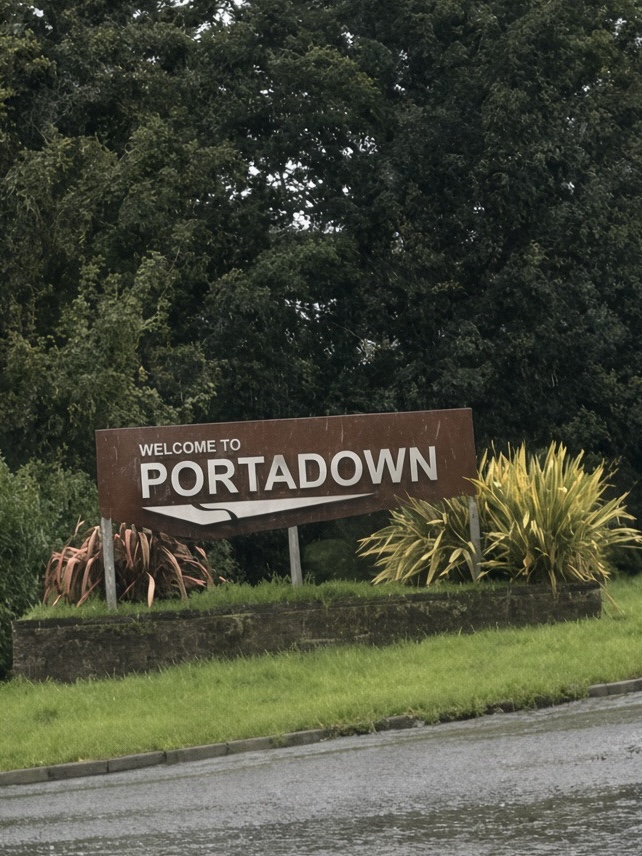
Portadown sits about twenty-five miles southwest of Belfast. It is a mostly Protestant town with one Catholic stretch of street called Garvaghy Road. For years the Orange Order, a Protestant brotherhood named after King William of Orange, has walked from Drumcree Church after Sunday service. The last bit of that walk goes down Garvaghy Road. In the 1990s that last bit became a riot zone between Protestant marchers and Catholic residents. After 1998, and the Good Friday Agreement that ended the armed conflict known as the Troubles, the parade was kept off the road. People here treated that as a sorted matter.
This past Friday the Parades Commission, the official body that rules on disputed marches, said thirty-five Orangemen could walk it in silence. After almost thirty years of no march on that stretch. The conditions were tight. No bands. No crowd of supporters. Start by 8am. Done by 9:30. On Saturday a judge stopped it. After midnight the Court of Appeal said the judge was wrong. Another hearing finished around 2:15am Sunday. The walk was legal again.
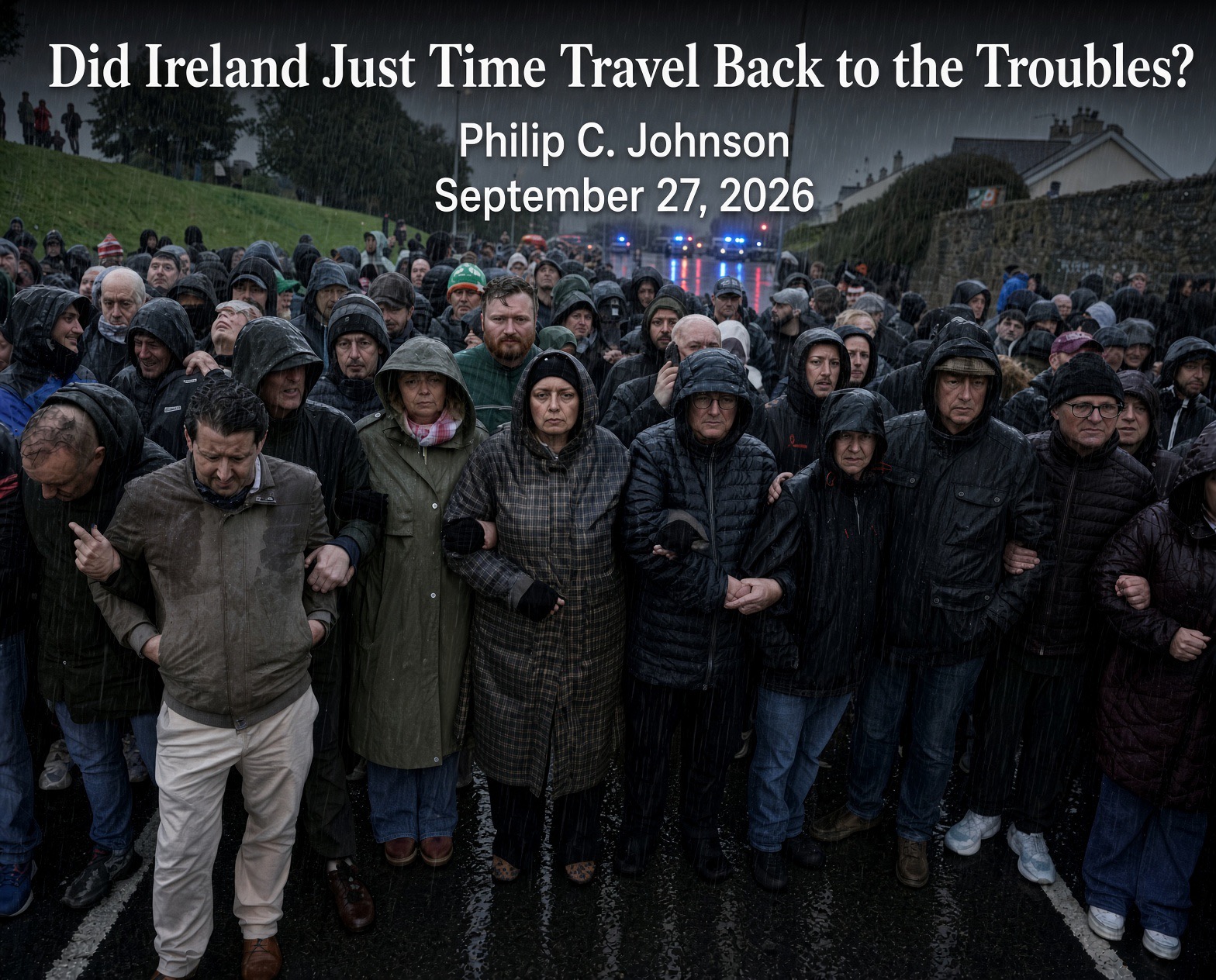
By dawn Garvaghy Road was blocked. Catholic residents and their supporters stood in the rain. Some wore balaclavas. They did not want an Orange parade through their street, restricted or not. They see it as a show of force they never invited. Sinn Féin’s Michelle O’Neill, Northern Ireland’s First Minister, and party leader Mary Lou McDonald stood with them. Fireworks went up near eight. Police on loudspeakers said the protest was unlicensed and people could be arrested. A mile away, at the church, the thirty-five Orangemen waited in a hall. They say the walk is church, custom, and a route the courts had just restored.
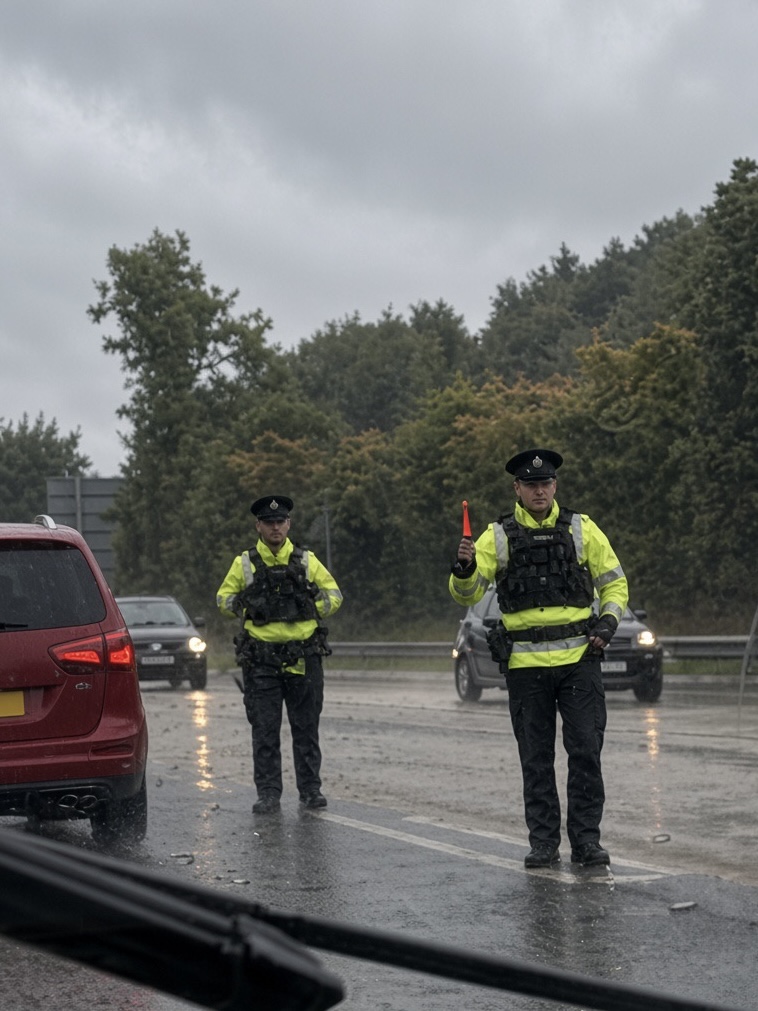
I drove down from Belfast. Police stopped traffic short of the flashpoint. The presence was massive. Armoured Land Rovers. Checkpoints. The town was sealed.
As of this writing the march has not happened. Police told the Orange lodge the road was not clear in the morning and told them again later. Chief Constable Jon Boutcher said his officers had kept the day from turning violent and were gathering evidence rather than wading into the crowd. By evening the protesters were still on Garvaghy Road. The Orangemen were still at Drumcree. The police were still in between.
If you do not follow this Northern Irish politics, here is the short version. Protestants who want Northern Ireland to stay in the United Kingdom treat the Orange walk as worship and heritage. Catholics on Garvaghy Road treat it as a parade through their front doors. In the 1990s that argument nearly wrecked the peace talks. The Good Friday Agreement stopped the war. It did not settle the feelings on this street. Belfast still has peace walls, the high barriers between Protestant and Catholic neighbourhoods, and gates that lock at night so troublemakers cannot move easily from one side to the other. Drumcree is the same idea without the concrete. A few hundred yards nobody agrees how to share.
Sunday put Stormont, the Northern Ireland assembly and power-sharing government in Belfast, on a split screen. Sinn Féin, the main Irish nationalist party, stood with the blockade. The Democratic Unionist Party, the main party that wants to stay in the UK, stood with the men at the church. Nationalists called the court outcome a step backward. Unionists said a court order is a court order. London and Dublin asked everyone to stay calm.
Nobody got the walk. Nobody got a riot. Will they try again tomorrow? The Commission’s window was Sunday morning and that window has closed. What is left is the standoff: people still on the road when I last checked, men still at the church, police still holding the gap. And for one day the immigration fight that filled this city in June went quiet. The old fight stood in the rain and would not move.

