
By Philip C. Johnson – July 17, 2025
What’s Happening in Syria?
The Middle East is burning again, and it’s throwing a wrench in President Donald Trump’s Abraham Accords, his push for regional peace. As of July 17, 2025, Israel is hammering Damascus with airstrikes, targeting the Syrian Defense Ministry, military convoys, and areas near the presidential palace. A July 16 strike collapsed four floors of the Defense Ministry, killing one and injuring 18. Why? Israel says it’s protecting the Druze, a minority under attack in Syria. But I’ve got a hunch there’s more to it. Let’s dig in.
How the Chaos Began
The trouble erupted in Suwayda, a Druze-majority province, where over 300 have died since Sunday—92 Druze (21 civilians executed by Syrian forces), 93 security personnel, and 18 Bedouins, per the Syrian Observatory for Human Rights. It started when Sunni Bedouin tribesmen kidnapped a Druze merchant, igniting clashes with Druze militias. Syrian forces, led by interim President Ahmed al-Sharaa, accuse the Druze of destabilizing the region with autonomy demands, shelling villages, arresting scores, looting homes, and displacing families to crush them. Israel insists its strikes protect the Druze, tied to its own Druze community, and block Syrian militarization near the Golan Heights, a security red line. But posts on X and Druze leader Sheikh Hikmat al-Hijri suggest Israel might also aim to keep al-Sharaa’s government shaky, ensuring Syria stays fractured to secure Israel’s regional edge. Syria brands the strikes “treacherous aggression,” and this mess is far from over.
Who Are the Druze?
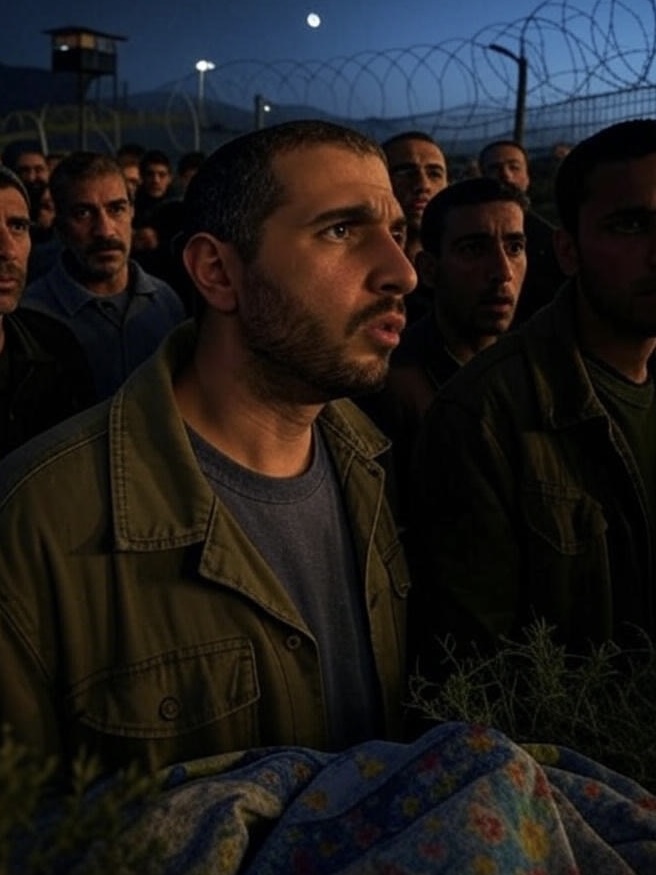
The Druze are a tight-knit Arab minority, practicing a unique offshoot of Shia Islam from 11th-century Egypt. About one million live worldwide: 700,000 in Syria (mostly Suwayda), 300,000 in Lebanon, and 140,000 in Israel, including the Golan Heights. Their faith, which doesn’t allow converts or intermarriage, binds their communities closely. In Syria, they’re under fire from Syrian troops and Sunni Bedouins who see their autonomy push as a threat. Executions and looting are tearing Suwayda apart. In Israel, Druze are loyal, often serving in the IDF, but their ties to Syrian Druze run deep. This week, about 1,000 Israeli Druze breached the Syria-Israel border near Majdal Shams to help their kin, while some Syrian Druze tried crossing into Israel. The IDF used tear gas to manage the chaos and is working to bring Israeli Druze home. Druze MK Afef Abed crossed into Syria to retrieve Druze youth, showing how personal this crisis is.
What’s Israel Doing?
Prime Minister Benjamin Netanyahu and Defense Minister Israel Katz are adamant about protecting Syrian Druze. Katz posted on X, “We will not allow the extreme Islamic regime in Syria to harm the Druze. If the regime harms the Druze, it will be struck by us.” The IDF has deployed to the Golan Heights for a long haul, urging Israeli Druze not to cross into Syria while hitting Syrian targets to stop attacks on Suwayda’s Druze. But the intensity of the strikes makes me wonder if Israel’s shaping Syria’s future. For Israel’s leaders, this is a do-or-die moment—crushing Hamas, containing Hezbollah, stopping Iran’s nuclear ambitions, and deepening control along the Israeli-Syrian border are all on the table.
Syria’s Response
Syria’s Foreign Ministry slammed Israel’s strikes, claiming self-defense. Al-Sharaa announced a U.S.-mediated ceasefire on July 16 with Druze leader Sheikh Yousef Jarbou, with Syrian troops pulling out of Suwayda and handing control to Druze leaders. On state TV, he said Israel’s strikes sow “conflict and division,” insisting the Druze are part of Syria. But the ceasefire is shaky—a prior one collapsed, and Sheikh Hikmat al-Hijri accused Syrian forces of ongoing attacks, urging Druze resistance.
Who Is Syrian President, Ahmed al-Sharaa?
Ahmed Hussein al-Sharaa, aka Abu Mohammed al-Julani, is central here. Born in 1982, he grew up in Damascus and joined al-Qaeda in Iraq in 2003 to fight U.S. forces. Detained by the U.S. in the early 2000s, he met Abu Bakr al-Baghdadi, later ISIS’s leader. In 2011, he founded al-Nusra Front in Syria for al-Qaeda, briefly worked with the Islamic State of Iraq, but split in 2013, sparking conflict. He led al-Nusra, later Hayat Tahrir al-Sham (HTS), through the Syrian Civil War. After ousting Bashar al-Assad in December 2024, he became interim president in January 2025, proclaiming himself leader.
Al-Sharaa’s Mixed Signals
Here’s the tricky part. Al-Sharaa hints at joining the Abraham Accords for peace with Israel but also claims his leadership is a step toward capturing Jerusalem and Al-Aqsa Mosque. His jihadist past makes his peace talk hard to trust.
Does This Tie to Biblical Prophecy?
For prophecy followers, Isaiah 17:1 warns Damascus will become a “heap of ruins,” ceasing to be a city. Other scriptures, like Jeremiah 49:23-27 and Amos 1:3-5, also point to judgment on Damascus, though less explicitly. Some Bible scholars see Isaiah’s prophecy as an end-times event, possibly before or during the Tribulation, but no timeline is clear. Israel’s strikes stir speculation, but is this the moment Damascus falls, or just another chapter in a long story?
Why This Matters to You
This isn’t just a distant conflict. Israel’s strikes, whether for the Druze or to keep Syria weak, could reshape the region. Al-Sharaa’s jihadist roots and flip-flopping rhetoric threaten Trump’s peace plans, and the Druze are caught in a brutal tug-of-war. The human cost—over 300 dead, families displaced—hits hard. Prophecy adds intrigue, but the life and death stakes in the here and now are real. We should pray for peace in this neighborhood of the world. In fact, we should pray, without ceasing, for peace in all regions of the world.
 The Global Nexter