
Philip C. Johnson, Ph.D.
December 31, 2024
In these last few remaining days of 2024, I am a taking a look at the major events of the last 25 years. If you missed the previous posts, click here (Part 1), here (Part 2) and here (Part 3). In this section, I will take a look at the years 2015 -2019
2015: Same-Sex Marriage, European Migrant Crisis and the Paris Terror Attacks
Same-Sex Marriage Legalized in the U.S.:
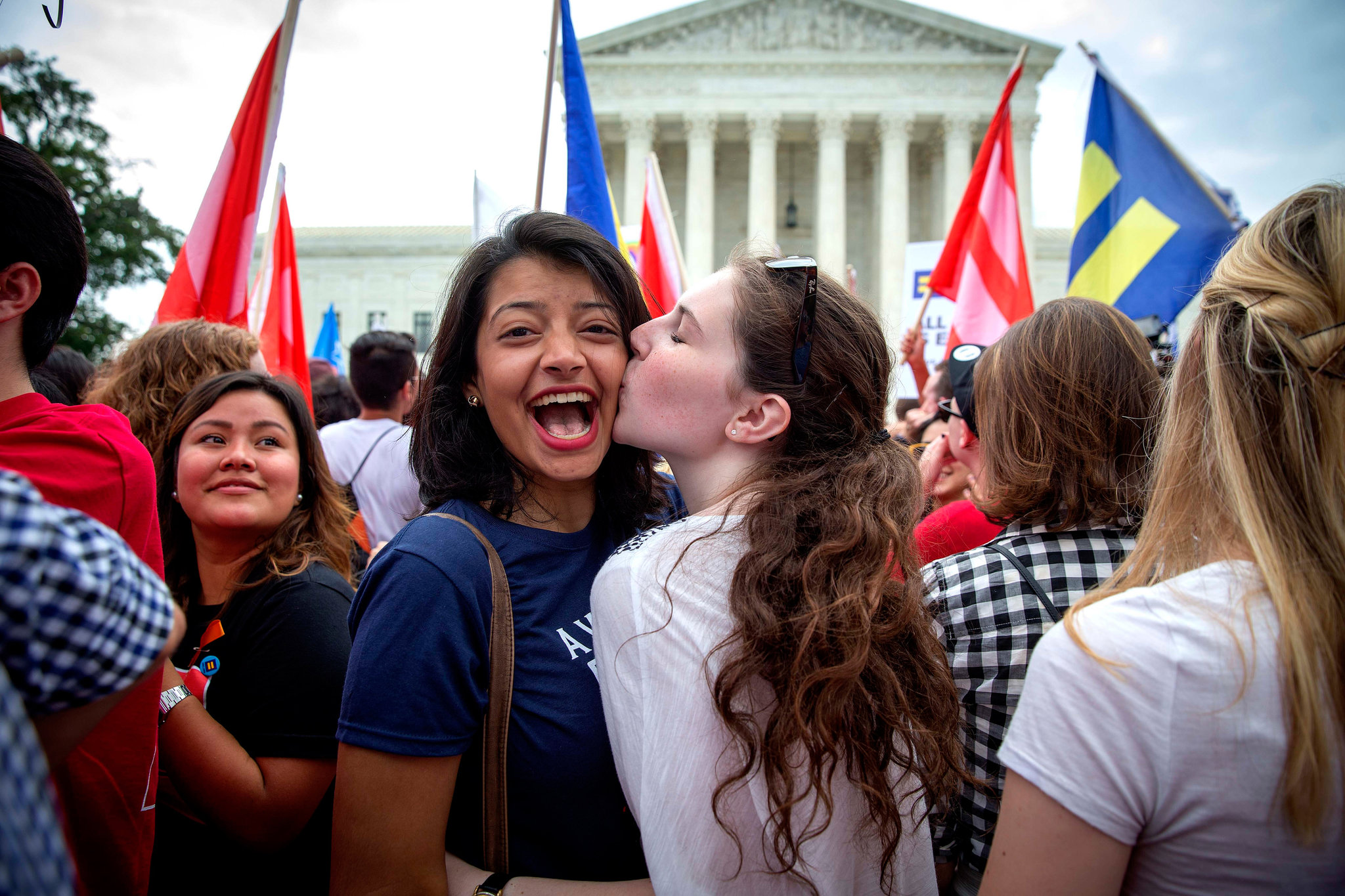
In June of this year, the U.S. Supreme Court ruled in the Obergefell v. Hodges case that same-sex marriage is a constitutional right nationwide. LGBTQ supporters rejoiced. The definition of marriage – between one man and one woman – was redefined.
At the beginning of the century, back in 2001, 53% of Americans believed that gay or lesbian relations were morally wrong. By 2022, this figure had decreased to 25%. (Source: Statista)
Regarding same-sex marriage, support among average Americans has risen dramatically over the years. In 2014, 54% of Americans favored legal same-sex marriage. But in 2023, the support had increased to 70%. (New York Times/Siena Poll)
Many conservative Protestant Christians consider homosexuality sinful and oppose same-sex marriage. Traditionally, the Catholic Church shares those same views, but that seems to be changing. In December of 2023 the Vatican announced that Catholic priests can bless same-sex couples in informal settings. But apparently the blessing cannot appear to endorse a marriage. That makes no sense at all.
Sitting here at the end of 2024, I have found many Bible-believing Christians who have either changed or softened their views on this issue. For some, it’s a complete ideological change. For others, their softer position is couched in a desire to reach more people with the Gospel. Proponents of absolute moral truth believe that the Bible speaks authoritatively on this matter and that same-sex relationships and same-sex marriages are morally wrong and against God’s created order. They assert that shifts in the culture should not impact how the church should view morality and marriage.
What seems to be one of the most misunderstood issues regarding the aggressive push for LGBTQ rights (which seemed to reach a fever pitch in 2023) is that the community simply wanted to be left alone to live their chosen lifestyle. However, this has proven to be untrue. The more accurate goal appears to be to compel others to accept, support, advocate and celebrate their lifestyle.
European Migrant Crisis:
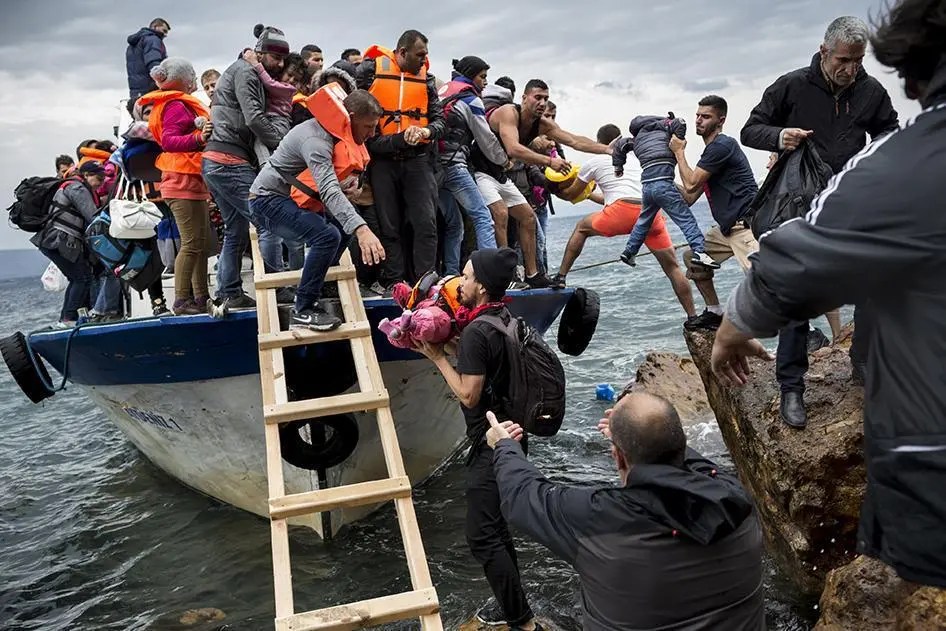
Millions of refugees, mostly from Syria, Afghanistan and Iraq fled the wars in their countries and poured into Europe. Thousands of people died attempting dangerous crossings. One of my former Afghan students became one such illegal immigrant in 2015. (In 2015 and 2016, I taught modules in an MBA program in Kabul, Afghanistan.) After seven of his coworkers at an independent media outlet were murdered by the Taliban, he paid a smuggler thousands of dollars to help him get out of the country. He was smuggled from Afghanistan to Iran, then to Turkey and on to Greece. He ended up in Frankfurt, Germany. (The Germans have better social benefits, evidently.) It was a challenging and dangerous journey. A year later I met him in Germany and he will be the first person to tell you that the illegal migrants have absolutely wrecked Europe. He wishes that they’d all go back to where they came from. He says that they refuse any effort to assimilate to their new culture. His words. And yes, as an illegal immigrant himself, he is very aware of the irony of his statement.
Paris Terror Attacks:
On November 13th, ISIS struck Paris with a series of coordinated terror attacks. The attacks happened in multiple locations including the Stade de France (soccer stadium), a number of cafes and restaurants, and the Bataclan Theatre (a concert hall). In all, 130 people were killed and more than 350 were injured. Classic jihadist ingredients were used: suicide bombings, mass shootings and hostage-taking.
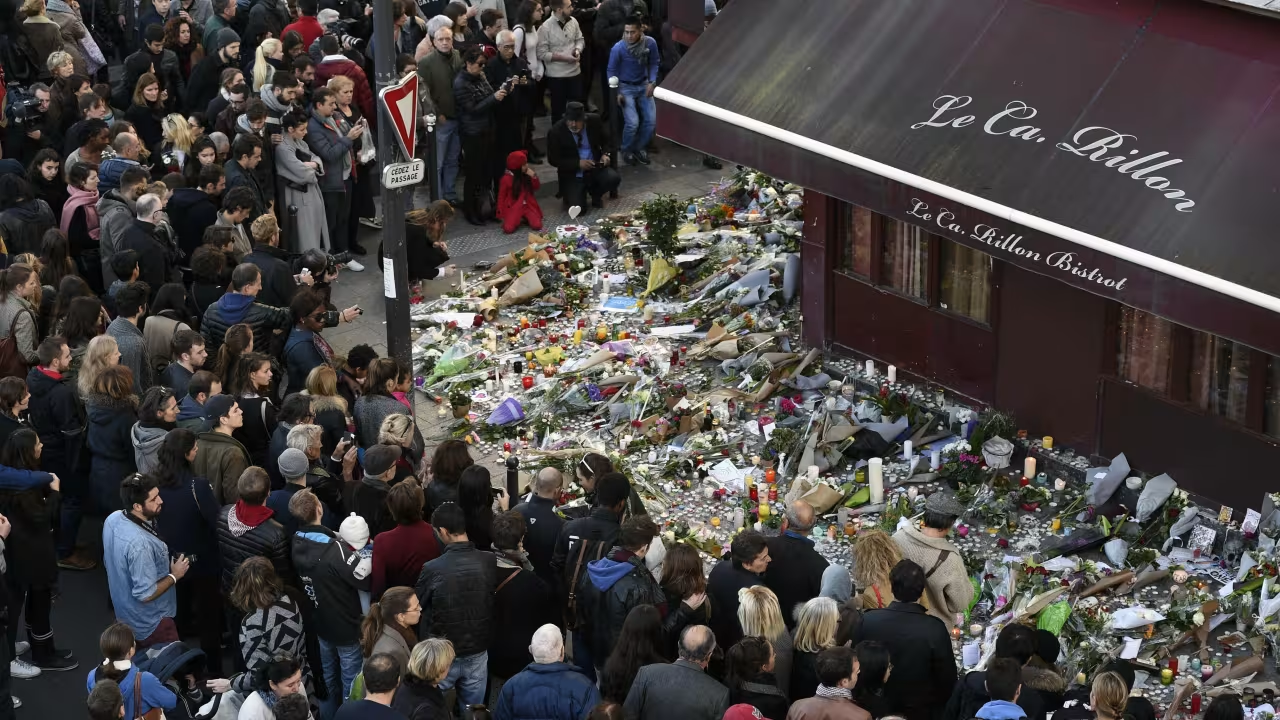
The perpetrators – a lot of whom were European Nationals – were part of an ISIS terror cell who had traveled to Syria to train and to plan the attacks.
I was in Paris the night of the attacks. I met with many Parisians the next day at the various sites of the attacks – still fresh with broken glass and blood stains. People were walking around as if in a nightmare. Yes, this was the deadliest attack in France since World War II, but people should not have been surprised given the contentious parallel society that had been existing between liberal-secular French citizens and Muslims. France has the largest Muslim population in Europe with some 1.7 million living in Paris alone.
In other news of the year, U.S.- Cuba diplomatic relations were restored after having been severed in 1961 during the Cold War, ISIS continued to grow and Greece’s economy collapsed nearly causing them to be expelled from the Eurozone. A few years earlier, a German MP (member of the parliament) suggested that Greece have a “fire-sale” and sell the Acropolis and the Greek Islands in order to pay their debts. Ouch.
2016: Populism, Brexit, Turkish Coup and Donald Trump:
Populism:

2016 was the year of populism. Some people refer to it as “right-wing” populism. But in general it is characterized by anti-establishment sentiments and appeals to the “people” as opposed to the “elite.” The rise of populism was also in response to economic stagnation, open borders and uncontrolled global migration. Millions of unvetted people pouring across your national borders will eventually get a reaction from normal people.
The movement impacted many countries, including France, Italy, Hungary, Poland, the Philippines, Turkey, Brazil, Austria, the United Kingdom and the U.S. as we’ll see.
Brexit:
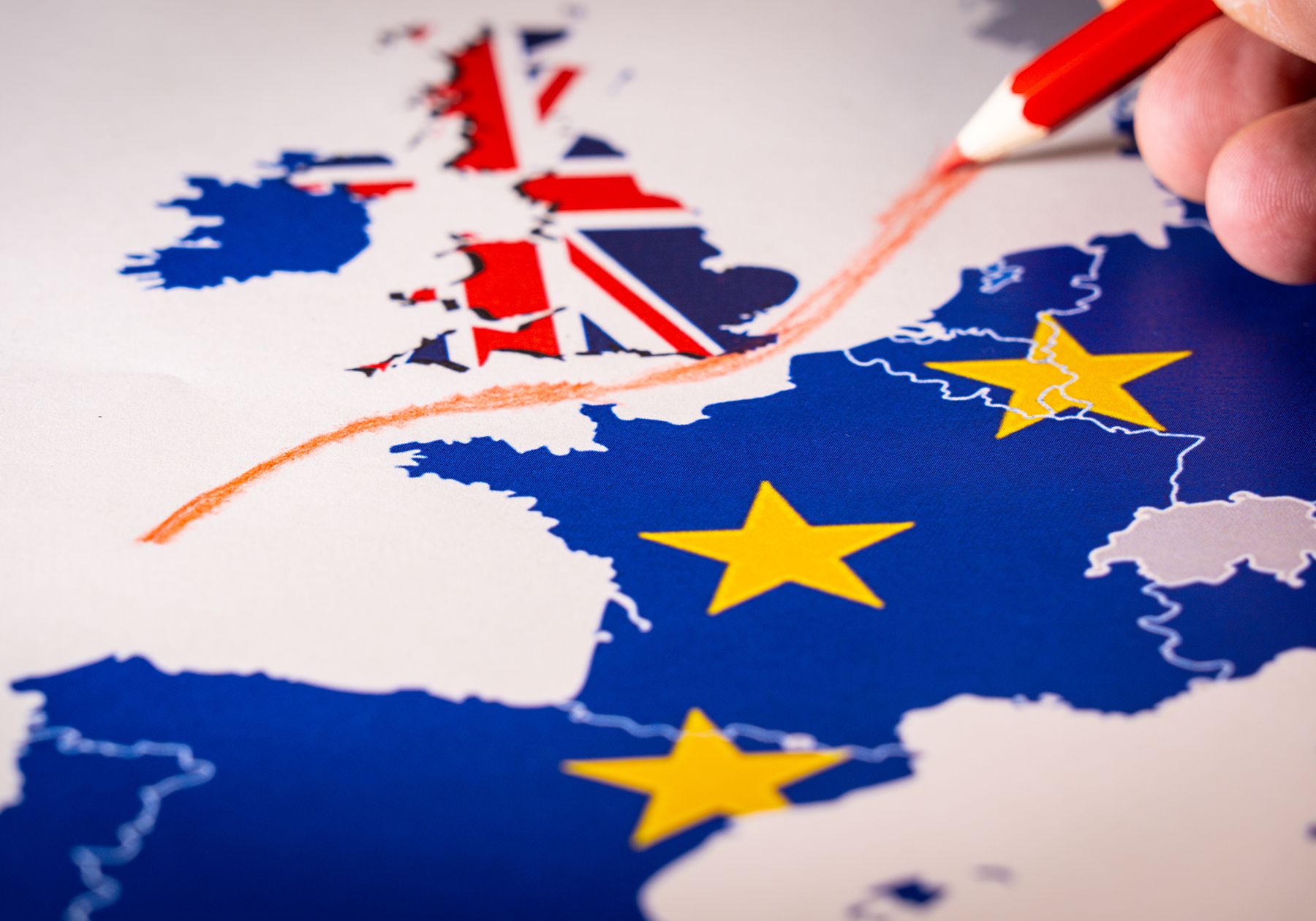
The United Kingdom voted to leave the European Unions with 51.9% favoring “Brexit.” Those in favor of Brexit wanted more control over immigration and independence from the decisions of unelected politicians in Brussels (The capital of the European Union). Those who opposed leaving the E.U. claimed that the departure of the U.K. weakened the E.U.’s unity and global influence.
Turkish Coup Attempt:
On July 15th, a faction of the Turkish military attempted a coup against President Recep Tayyip Erdoğan. 241 people were killed and 2,194 were injured, but the coup attempt failed. In a surprising move, as news of the coup spread, ordinary citizens, armed with nothing more than kitchen utensils gathered in the streets and squares to oppose the coup. Never underestimate the power of a spoon yielded by an angry Turk.
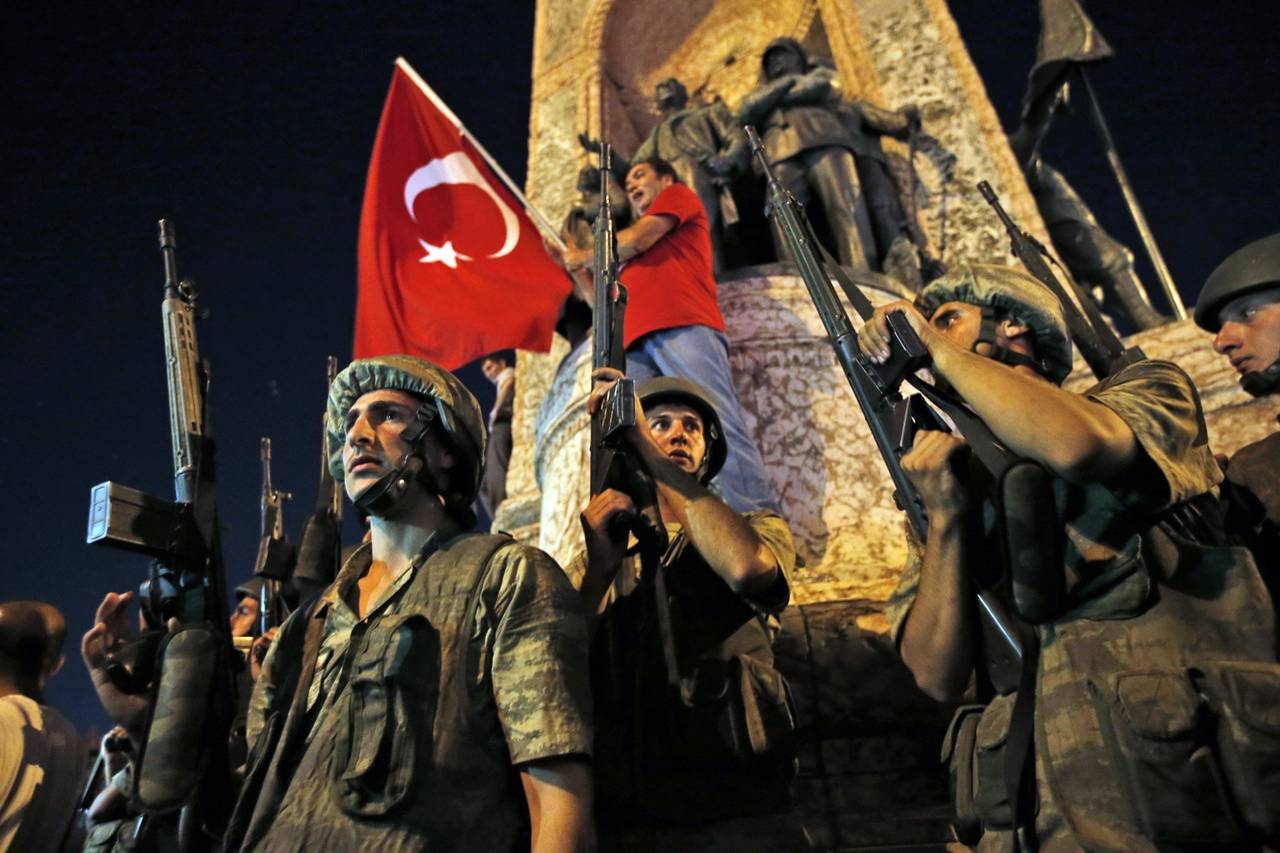
In the end President Erdoğan just consolidated power and cracked down hard on dissent. Some even suggested that President Erdoğan staged the coup himself in order to build a dictatorship. True or not, Erdoğan essentially runs an authoritarian government today.
When I first started to visit Turkey in the earlier part of the century, it seemed to me that they leaned hard towards being European. That made sense in that they are a current member of NATO. But over the years, they have leaned back towards an Islamic identity, and the coup of 2016 seems to have only harden that path.
Donald J. Trump:
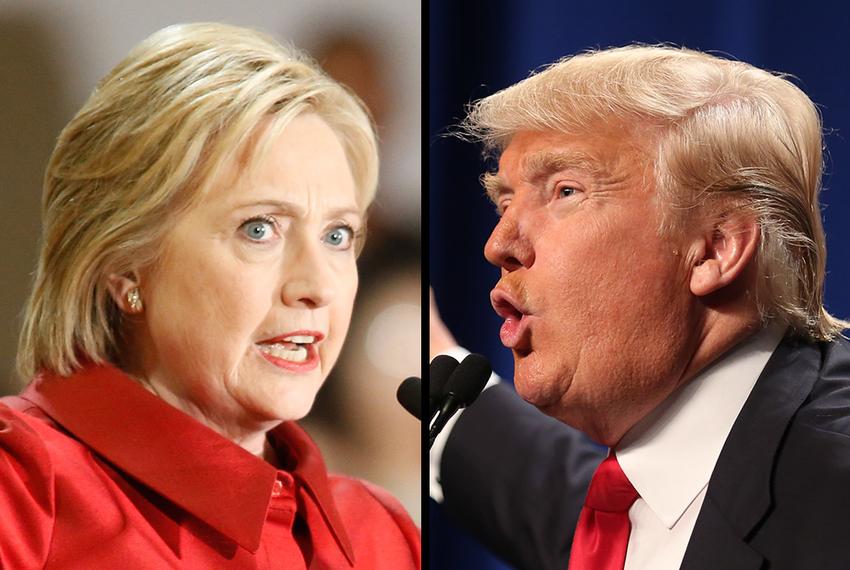
On November 8th, Republican candidate, Donald J. Trump defeated Democratic candidate Hillary Clinton in an incredibly polarized election. The election marked a shift in politics towards populism and nationalism. And the media, entrenched government bureaucrats and intelligence agencies weren’t having any of it. The vitriol and efforts to thwart the new president’s agenda were shocking and comprehensive. Most Americans had never seen anything like it. Trust in the media and American institutions plummeted. The entire presidential term was filled with words like “misinformation,” “election interference,” and “impeachment.” People were regularly accused of being Fascists, Racists and Nazis.
2017: Trump’s Presidency Begins, #MeToo Movement, and the Las Vegas Shooting
President Trump:
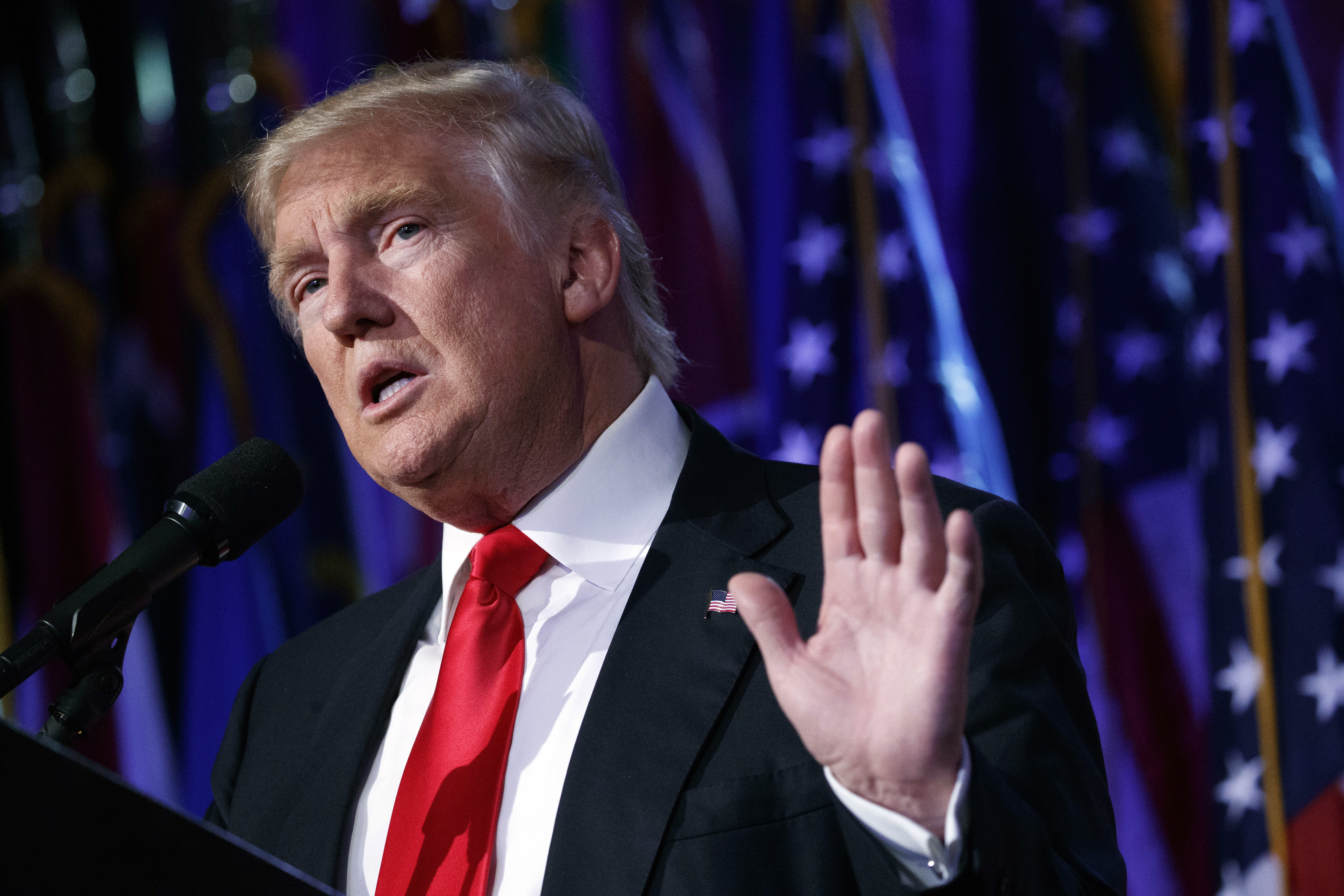
On January 20th, Donald Trump was inaugurated and began his presidency. The first president to follow the first Black president, promised to build a wall and to ban Muslims from specific countries from entry into the United States. Though the media would rage about these resolves, at the time, both of these decisions were an unqualified benefit for America. The U.S. border was dangerously unprotected and Islamic terrorism was sweeping through Western countries, primarily through Muslim-majority countries and their poster-boy, ISIS. And reasoning for these directives fit snugly into the “Make America Great Again” slogan of Trump’s presidential campaign. One way to make America great was to keep America safe.
#MeToo:
Following allegations of sexual misconduct against Hollywood producer Harvey Weinstein, the #MeToo movement began. People who had remained silent about abuses they had endured now felt empowered to speak out against sexual harassment and assault.
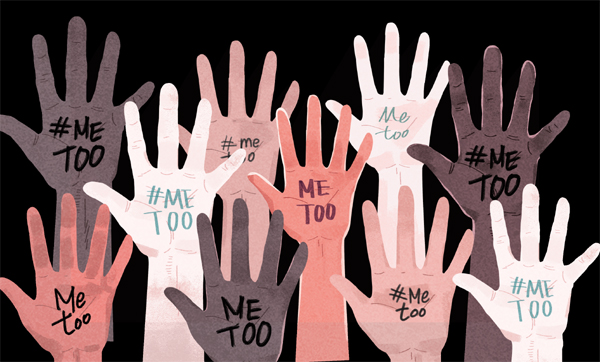
High profile celebrities like Bill Cosby now faced public scrutiny, legal consequences and the eradication of their professional lives. Many workplaces adopted stronger sexual harassment policies, required employee training and provided better avenues for addressing workplace misconduct.
Critics, however, argued that there was an over-correction. In the zealous desire to make survivors’ voices heard, lines would sometimes be blurred between different types of misconduct leading to misinterpretation. A harmless comment could be misunderstood and a well-meaning or simply clueless coworker could find himself in serious trouble. Some critics also argued that the there was a weakness in the due process of the accused as well as an increase in false allegations.
Las Vegas Shooting:
On October 1st, a gunman opened fire from a room on the 32nd floor of the Mandalay Bay casino hotel in Las Vegas. His target was a crowd of 22,000 people at a country music concert. He killed 60 people and injured more than 850 others. It was the deadliest mass shooting in U.S. history.
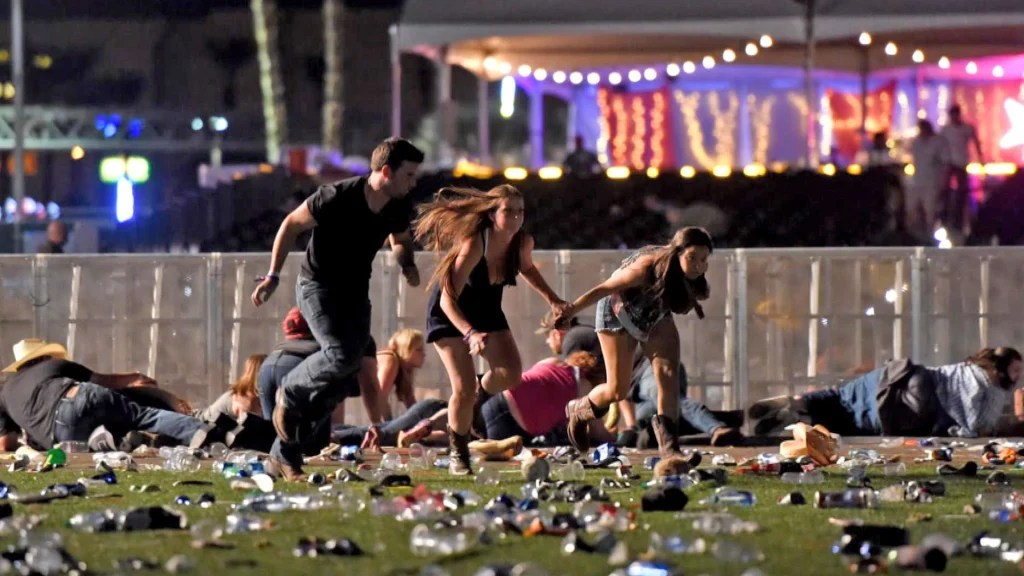
The shooter was a 64-year-old man named Stephen Paddock. The attack lasted 10 minutes during which the shooter fired 1,000 rounds. Paddock was found dead in his hotel room from a self-inflicted gunshot wound before law enforcement reached him. (Convenient.)
And we STILL don’t really know anything about this case. What motivated Mr. Paddock? Was it a fascination with violence? Apparently Paddock had extensively researched other mass shootings and venues. Was it financial stress? He was a gambler. Was it mental health? Who doesn’t have anxiety at times? Was he mad at someone? At society in general? That doesn’t explain this kind of violence. How did he get all of the weapons up to the hotel room without anyone noticing? Apparently he had 24 firearms and a huge amount of ammunition with him in his room.
Of course there are conspiracy theories – some of which I think need a look or two. Some theories suggest that he was not acting alone, but was linked to other actors or groups. Law enforcement says they have debunked this. Local law enforcement and the FBI conducted over 1,000 interviews and analysis about Paddock’s personal life and they say that they found no definitive motive. Okay. Sure.
2018: Trump and Kim Jong-Un and Yellow Vest Protests in France
Trump Goes to North Korea:
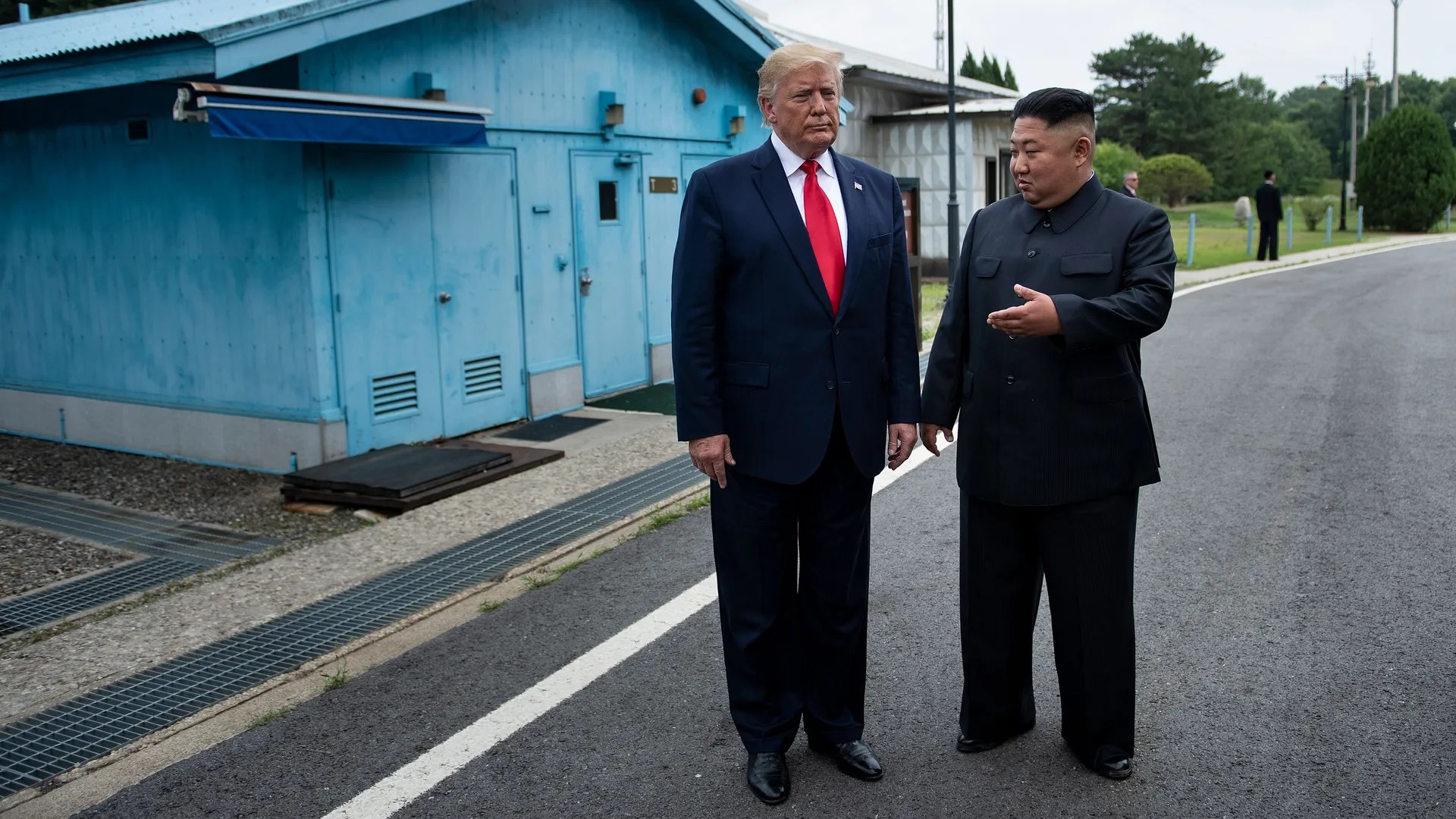
On June 30th, U.S. President Donald Trump crossed over the demilitarized zone between North and South Korea to meet with North Korean leader, Kim Jong-un. This was the first meeting between sitting leaders of the U.S. and North Korea. President Trump has always been interested in making deals and this was part of ongoing diplomatic efforts to reduce the tensions between North Korea and the world and to address North Koreas nuclear program. While there were no real concrete outcomes, South Korea and China felt quite optimistic about the meeting. Others were not so impressed. Nothing lasted. North Korea is still a pain in the butt today.
Yellow Vest Protests:
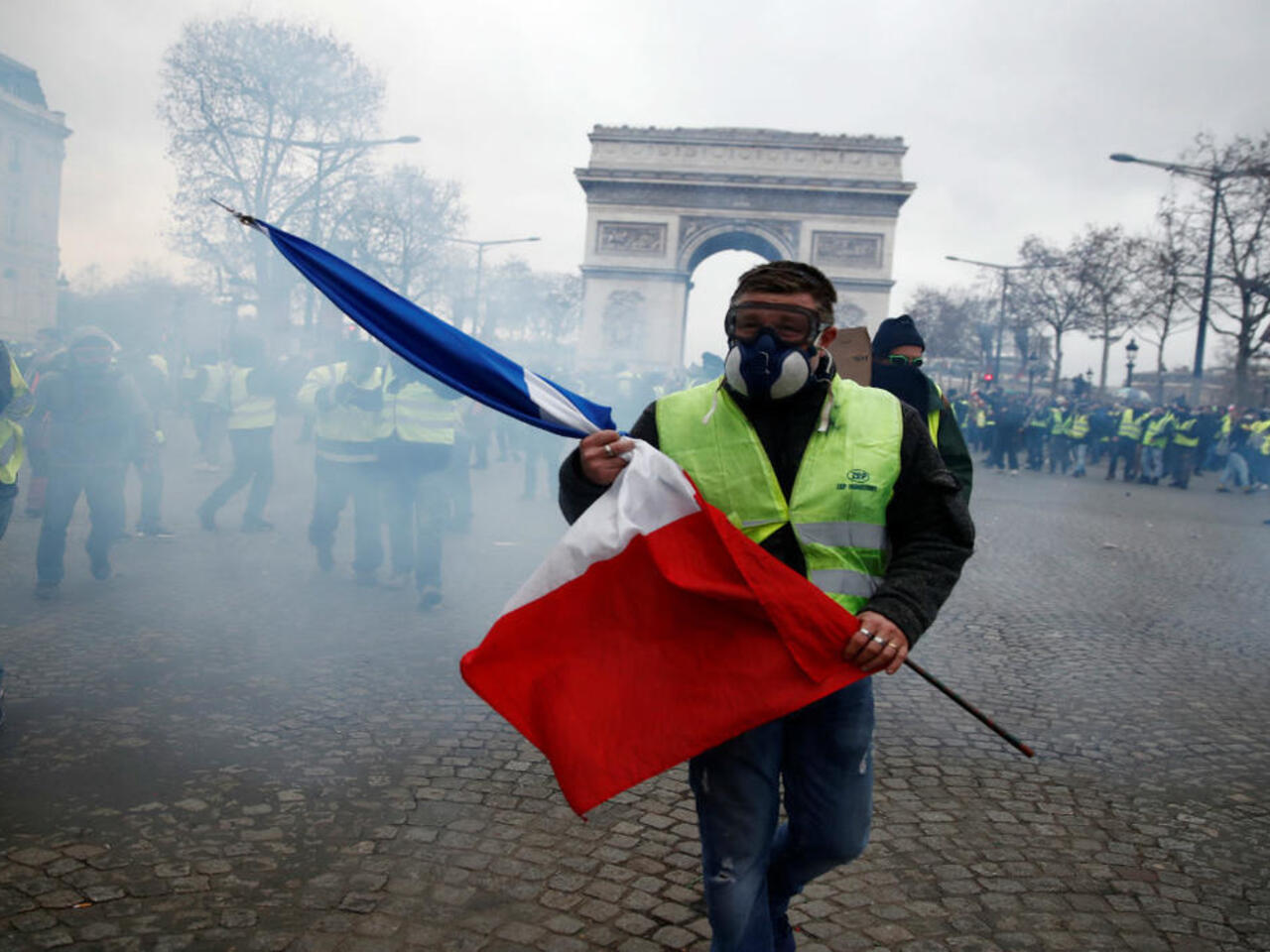
The Yellow Vest protests is a French grassroots movement against government policies that had led to economic inequality. The protests broke out in France in November over a proposed fuel tax increase. But that was just the spark – the protests were about more than just one proposed tax hike. The movement was named after the highly visible yellow vests that French drivers are required to carry in their vehicles.
As is often the case, the protests began peacefully enough. But the demonstrations escalated into more intense actions including roadblock and marches, clashes with police, vandalism, and arson.
In the end, the movement highlighted the deep-seated frustrations ordinary citizens have regarding the disconnect between them and the elites, especially the political elites who seem to be so out of touch. It inspired similar protests in other countries like Belgium and the Netherlands. The U.S. would soon enough have their own run of “mostly peaceful” (cough) protests in the not too distant future.
2019: Cathedral of Notre Dame Fire, Christchurch Mosque Attacks, President Trump Impeached, and COVID-19,
Cathedral of Notre Dame Burns:
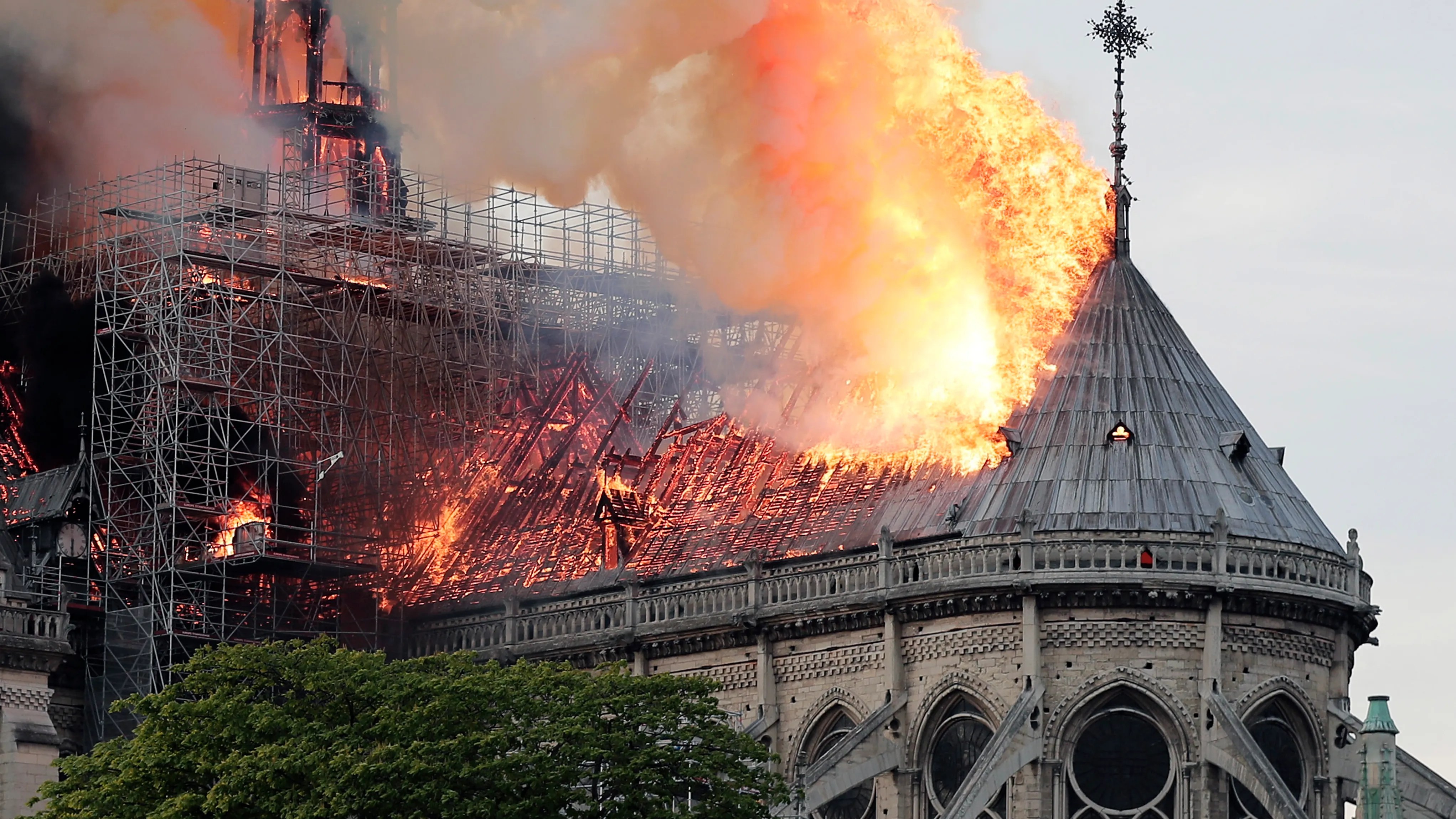
On April 15th, a devastating fire engulfed the iconic Notre Dame Cathedral. It was a visually shocking event as witnesses saw the spire collapse after being engulfed in flames. The fire, likely due to an electrical short circuit, destroyed the spire and the roof and damaged some upper walls. The bell towers, however, survived intact.
Many of the irreplaceable artifacts that are kept at the cathedral were saved, including the Crown of Thorns. (Yes, we’re talking about the very crown of thorns that the Bible say was placed on Jesus’ head prior to his crucifixion. I’m not authenticating this information, I’m just relaying the lore.)
Of course, given the state of the world in the 2010’s, there were suspicions of terrorism, but those fears were unfounded. Just this month, on December 7th, the restored cathedral was reopen to visitors and worshippers.
Christchurch Mosque Attacks
In March a white supremacist gunman attacked two mosques in Christchurch, New Zealand. Brenton Tarrant killed 51 people and live-streamed part of the attack. His far-right beliefs and white supremacist ideas were outlined in a manifesto he published online prior to the attacks.
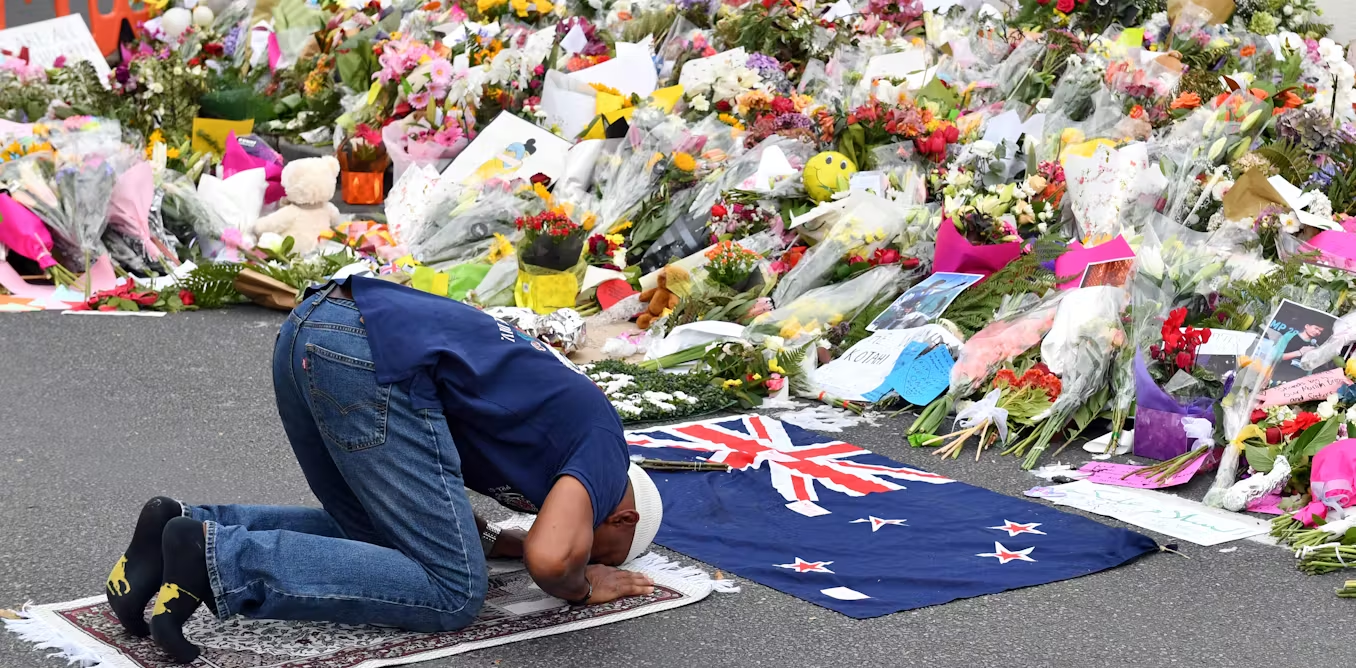
Usually when it comes to a terrorist attack you need look no further than your closest fundamentalist Muslim. This was the opposite and raised new concerns about Islamophobia, hate crimes and online radicalization. And of course gun control.
Concerns were also raised about issues of multiculturalism. Was the attack a part of growing cultural anxieties? Was diversity really the greatest strength? Or had societies lost the cohesiveness of unifying values and beliefs.
Impeachment of Donald Trump
On December 18th, the U.S. House of Representatives impeached President Trump based on charges of abuse of power and obstruction of Congress over his dealings with Ukraine. The opposition against Trump’s presidency ran deep with the Democratic Party and with those who had permanent positions in Washington, D.C.
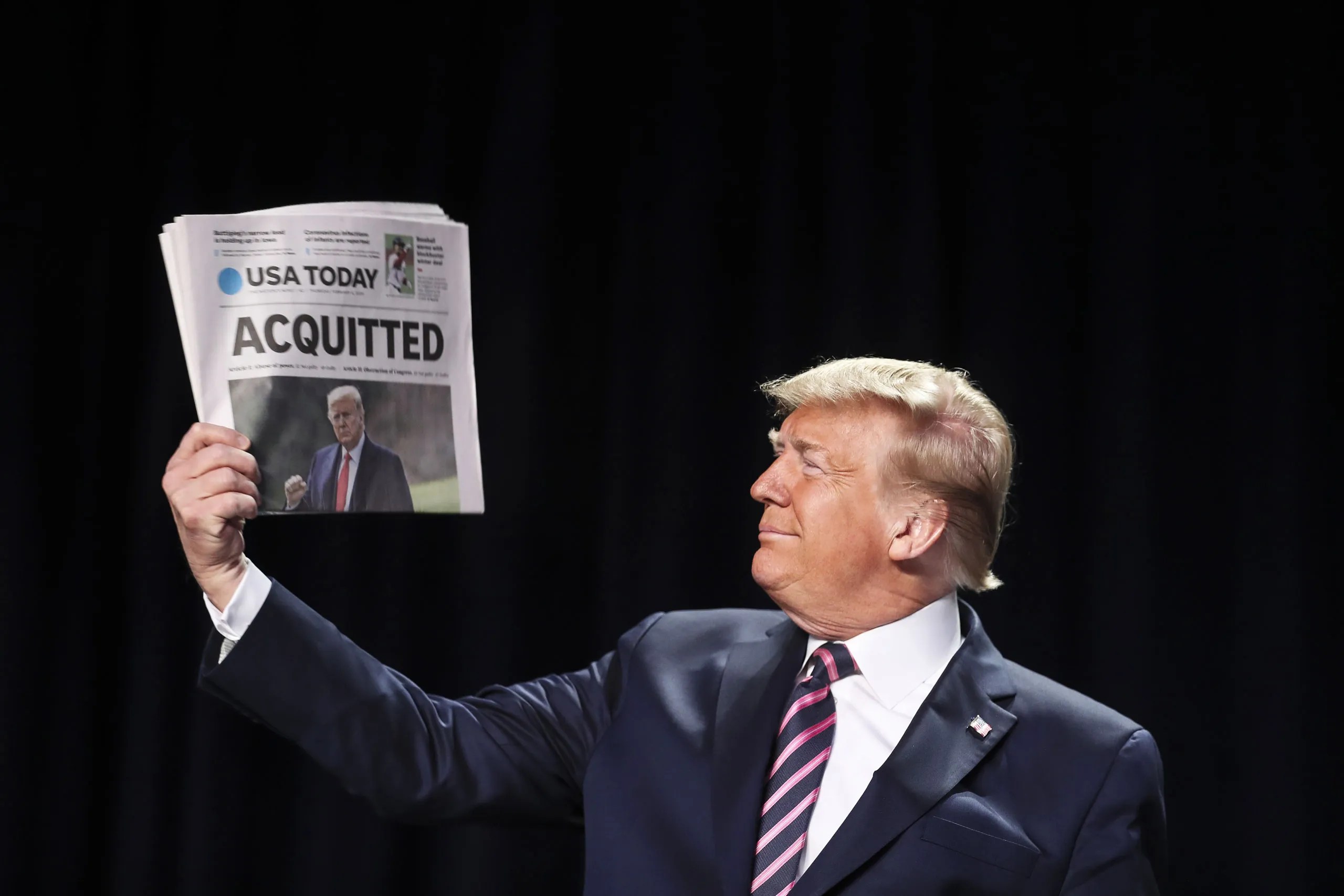
The House of Representatives, which was controlled by Democrats, voted pretty much along party lines. But the Senate, controlled by Republicans, acquitted Trump in February of 2020. Trump would be impeached again in 2021 with the same results. He is the only president in U.S. history to have been impeached twice.
COVID-19:

It was late in the year. I was working in Europe and I heard about this new pneumonia-like illness that had been identified in Wuhan, China. The media rush to talk about possible pandemics was not new, but this time the stage was being set for a once-in-a-hundred-year pandemic. Life as most of us knew it was about to be radically changed. 2020 was going to be a hard year.
Check back for part 5 tomorrow for the final installment of this quarter-century review!
 The Global Nexter
One thought on “2025: QUARTER CENTURY REVIEW: PART 4”