
By Philip C. Johnson – Little Elm/Frisco
February 1, 2026
The Brewing Storm in North Texas Suburbs
My most recent articles have discussed issues regarding the Gaza/Israel ceasefire, the plans to rebuild Gaza, and looming war with Iran—fascinating topics for many reasons. But now I turn to something very local, something right in my own neck of the woods, here in North Texas.
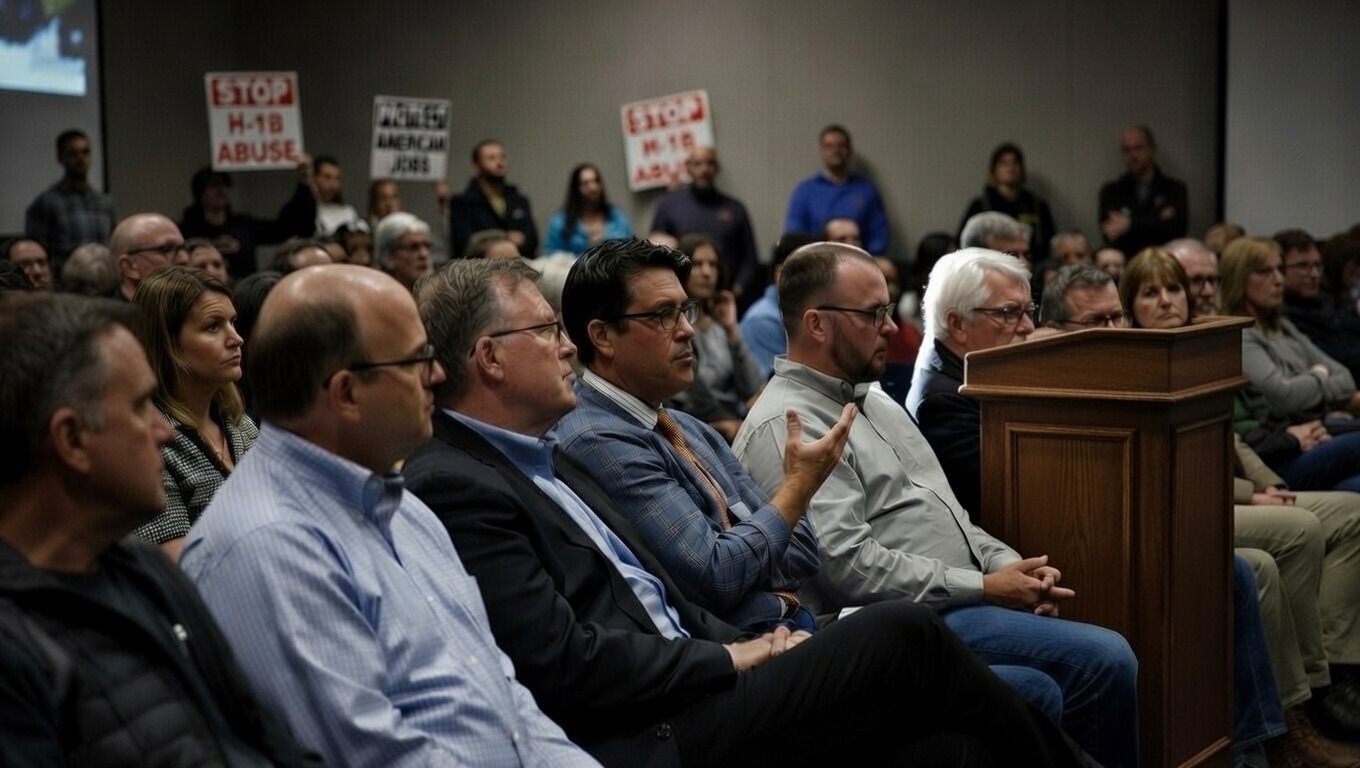
In the booming suburbs of North Texas, a quiet revolution has been unfolding for years—one driven by the H-1B visa program and a massive influx of Indian and Muslim immigrants. Now, that transformation is igniting open conflict. On February 3, 2026, the Frisco City Council meeting is shaping up as a pivotal flashpoint, where longtime residents plan to voice deep frustrations over what many describe as a destabilizing “takeover” of their communities. Viral social media videos of overcrowded Costcos filled predominantly with Indian shoppers, single-family homes registered as offices for multiple IT firms, and neighborhoods shifting overnight have fueled a growing backlash. Even as the process is largely legal, the sheer scale and speed of these changes are leaving many Americans feeling displaced in their own hometowns.
Explosive Demographic Shifts
Frisco, once a small-town north of Dallas, exemplifies this upheaval. Over the past two decades, the city’s Asian population has exploded from around 2.5% to over 26%, with Indian-origin residents comprising a significant portion. More than 45% of Frisco’s K-12 students are of Asian (mostly Indian) descent. Nearby Prosper, Little Elm, Celina, and Plano have seen similar surges, driven primarily by tech industry demand for skilled workers on H-1B visas. These visas, intended for specialty occupations like IT and engineering, have brought hundreds of thousands of predominantly Indian professionals to the region. While proponents highlight economic growth—new businesses, higher property values, and tax revenue—the reality on the ground tells a different story for many established residents.
Allegations of H-1B Visa System Abuse
The heart of the controversy lies in alleged abuses of the H-1B system. Critics point to “ghost” or shell companies: IT consulting firms with no visible operations, fake websites, or multiple entities registered at a single residential address sponsoring dozens of visas. Viral exposés have documented homes in Frisco and surrounding areas listed as headquarters for companies claiming to employ high-earning workers, yet showing no signs of actual business activity. These setups, opponents argue, game the H-1B lottery, create placeholder jobs, and undercut American workers by importing labor willing to accept lower effective wages due to visa dependency.
State Leaders Step In
On January 28, 2026, Texas Attorney General Ken Paxton launched a sweeping investigation into these practices, beginning with three North Texas businesses accused of using “fraudulent ploys” and “ghost offices” to scam the system. Paxton warned that such abuses “strip jobs and opportunities from Texans,” vowing to bring criminals to justice. Days later, Governor Greg Abbott ordered an immediate freeze on new H-1B petitions for state agencies and universities, citing widespread reports of fraud. These actions validate what many locals have long suspected: the system is being exploited to flood the job market and accelerate demographic shifts.
Cultural Destabilization and Lost Community Identity
For residents in these north Texas communities, the concerns go far beyond economics. Even acknowledging the legality of much of this immigration, the unprecedented volume—tens of thousands arriving in a short span—has proven profoundly destabilizing. Neighborhoods built around traditional American suburban life, rooted in Judeo-Christian values, now feature public religious processions, temples, and mosques that many see as imposing foreign customs. Schools strain under rapid enrollment growth, housing prices soar as groups collectively purchase properties, and everyday spaces like grocery stores and parks feel unfamiliar to longtime residents.
The Assimilation Gap: Contributions That Don’t Fully Integrate
A recurring complaint is the perceived lack of assimilation. While Indian immigrants are often praised for their professional contributions—starting tech firms, practicing medicine, and boosting local economies—these benefits are frequently siloed within their own communities. Ethnic groceries, restaurants, and cultural centers cater primarily to the new arrivals, creating parallel societies rather than integrated ones. Contributions like increased school funding or entrepreneurship, while real, are not widely experienced as shared community assets. Instead, many residents report a sense of cultural erosion: holiday celebrations overshadowed, community events dominated by one group, and a growing divide where new enclaves operate semi-independently. This insularity, critics argue, offsets the touted economic gains, leaving broader society with the burdens of rapid change—traffic, infrastructure strain, and social fragmentation—without full communal reciprocity.
Grassroots Pushback and the February 3 Flashpoint
Social media has amplified these grievances, with videos captioned “hardly any American in sight” at Frisco Costcos going viral and sparking heated debates. Some rhetoric has turned sharp, with terms like “invasion” reflecting genuine alarm over lost community identity. No formal advocacy groups have emerged specifically to champion these concerned Americans at the local level—the movement remains grassroots, powered by individual voices and calls to action online.
The February 3 City Council meeting, offers the next public venue for these voices. The regular session begins at 5:00 p.m. (following earlier work session and committee meetings), and includes opportunities for citizen input on non-agenda items, where speakers can address the council directly (typically limited to 3-5 minutes each after signing up in person before the meeting starts). While no specific agenda items on immigration or H-1B appear scheduled, residents from Frisco and nearby areas are mobilizing to speak out, turning the meeting into a de facto forum on these tensions. Past meetings have seen overflow crowds on controversial issues, and this one could draw significant attention amid the ongoing state probes.
For more information on the February 3, 2026, meetings—including full agendas, location details (George A. Purefoy Municipal Center, 6101 Frisco Square Blvd.), livestream options, and public participation guidelines—visit the City of Frisco’s official agenda portal HERE or the direct link to the regular City Council meeting page HERE.
As Frisco and north Texas grapple with this reality, the broader question looms: Can communities absorb such rapid, concentrated change without losing their core character? For many Americans here, the answer feels increasingly like no. The February 3 gathering may not resolve the underlying forces—federal visa policy, global tech demand—but it will spotlight a growing resolve to reclaim stability in the face of transformation.
 The Global Nexter
I had not heard of this type of Visa abuse. I bet it is going on elsewhere. Probably groups helping others game the system.
This whole H1-B visa process needs to have a look under the hood. It’s gotten out of control. Thanks for the comment!