
March 29, 2025
Philip C. Johnson, Ph.D.
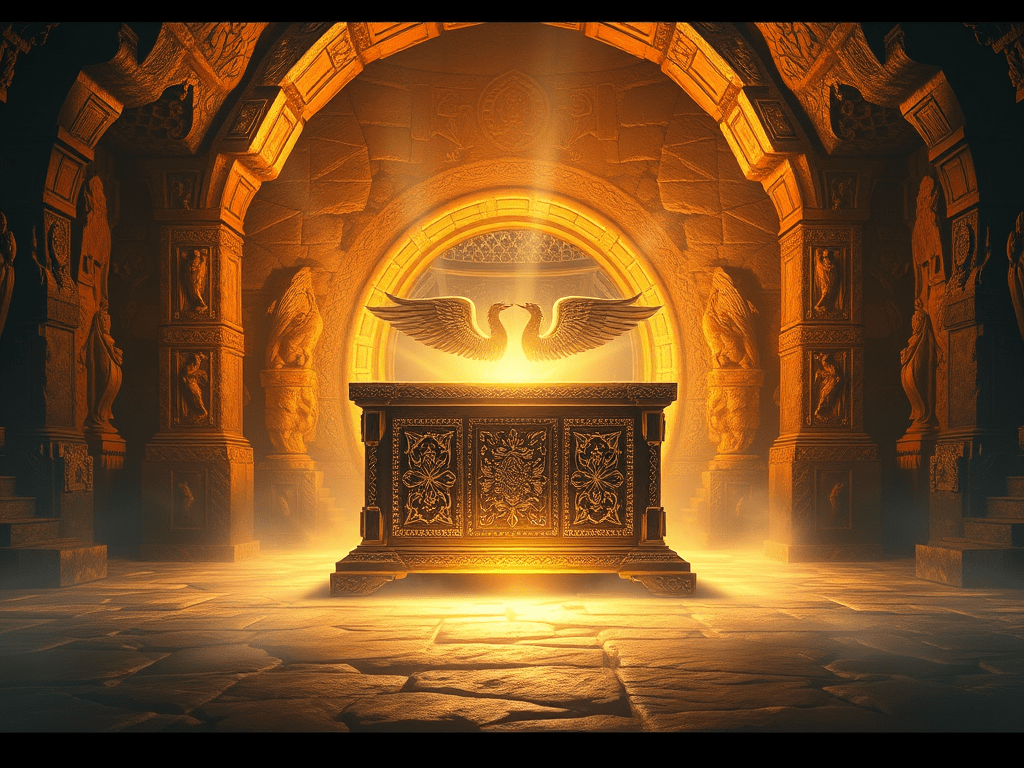
Are you ready for some revelations that dance around the edges of biblical history, spirituality and a little Cold War-era espionage? As reported in the British outlet, the Daily Mail, a “recently resurfaced” 1988 document sketches out how the CIA used “remote viewing” to mentally locate the site of the much-lored Ark of the Covenant. No, not the ark with the animals. The Ark that the Bible talks about that housed the Ten Commandments. The one where God’s presence manifested itself on the mercy seat of the Ark.
Declassified in 2000, but getting renewed attention in 2025, this document details an extraordinary – if concerning – experiment conducted under the name Project Sun Streak, where the agency employed remote viewers to locate objects. These individuals were believed to be capable of “perceiving” distant locations through extrasensory perception (ESP)—to locate the lost biblical relic.
I first heard about the phenomenon of remote viewing back in the 1990s and was bothered by the fact that our government was outsourcing witches. Or at least that’s how I viewed it – that the practice of remote viewing was making use of power and energy sources that are more likely associated with the occult and demonic activity than with the sensitivity of certain “gifted” individuals.
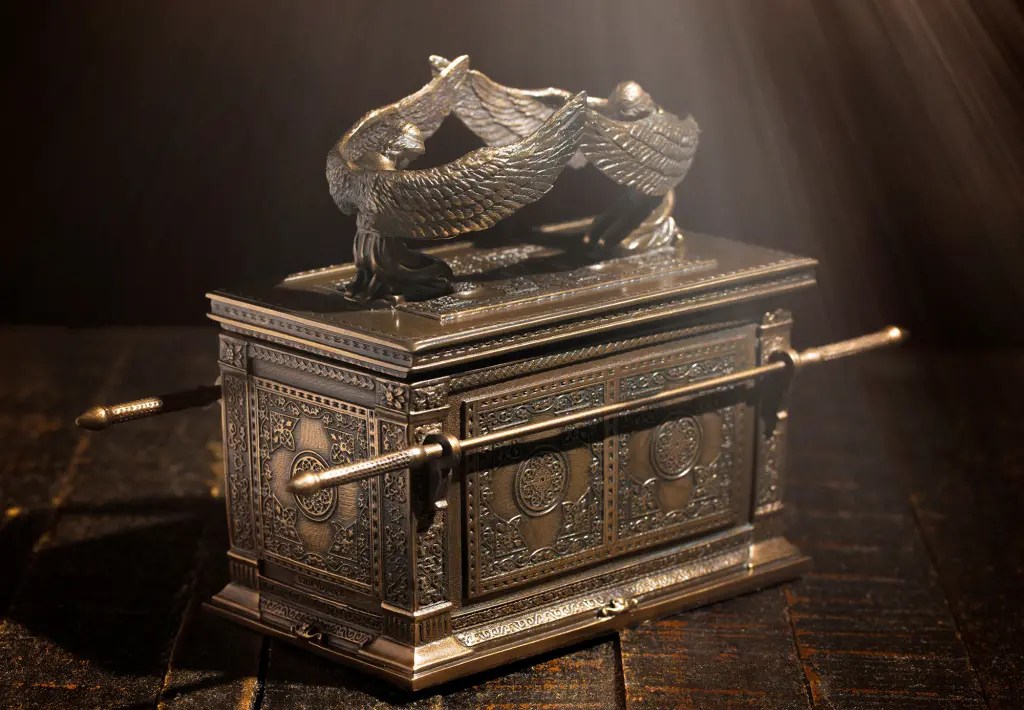
The Ark of the Covenant:
To understand how important this CIA documents is, one must first understand the profound significance of the Ark of the Covenant. According to the Bible, the Ark was a sacred chest constructed by the Israelites around the 13th century BC under the direction of Moses, following their exodus from Egypt. It was designed to house the stone tablets inscribed with the Ten Commandments—divine laws given by God on Mount Sinai. With cherubim (winged angelic figures) on its lid, the Ark was more than a container; it was a physical manifestation of God’s covenant with His people, Israel; a direct source for divine presence and power.
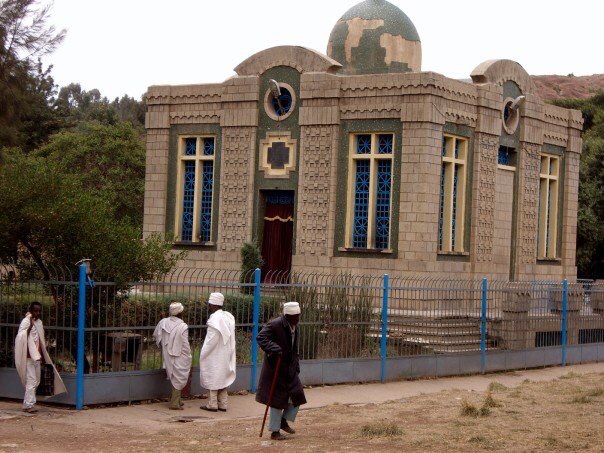
Historically, the Ark resided in the Holy of Holies, the innermost sanctum of the Temple in Jerusalem, accessible only to the High Priest on Yom Kippur, Judaism’s holiest day. After the Babylonians destroyed the Jewish Temple in 586 BC, the Ark seemed to disappear. There is no record that the Babylonians procured the Ark, and the Ark is never mentioned as being in the Second Jewish Temple (the one that Jesus would have worshipped in). There are lots of theories about where the Ark ended up. Some suggest it was hidden beneath the Temple Mount in Jerusalem. Others claim it was spirited away to Ethiopia, where it allegedly rests in the Church of Our Lady Mary of Zion in Axum, guarded by a single monk. I visited the small, dusty town of Axum back in 2007. I spoke directly with church leaders, heard the details of the legend and saw the psychological impact this belief had on the community. My verdict? It’s not there. There’s a good backstory, but whatever that one monk is guarding is not the Ark of the Covenant.
The CIA and Remote Viewing:
The 1988 document emerges from Project Sun Streak, a classified initiative of the U.S. Defense Intelligence Agency during the 1970s and 1980s, later absorbed by the CIA. This program explored the potential of psychic phenomena, particularly remote viewing, for intelligence gathering. The way the CIA defines it, remote viewing is a technique in which a “viewer” attempts to perceive people, places, or objects beyond the reach of ordinary senses, often using only geographic coordinates as a guide. The method gained traction during the Cold War as the U.S. sought unconventional means to counter Soviet espionage, with applications ranging from locating hostages to mapping enemy facilities. So, while many Americans practiced hiding under their desks at school to survive a nuclear attack, the U.S. government was consulting wizards to defeat the Soviets.
On December 5, 1988, a remote viewer identified only as “No. 032,” (How many remote viewers was our government consulting?) participated in a session that would become the centerpiece of this fascinating revelation. Unbeknownst to the viewer, the target was the Ark of the Covenant. The resulting report, which is now public, describes the viewer’s impressions in great detail: a “container” fashioned from wood, gold, and silver, “similar in shape to a coffin,” and adorned with “seraphim” (six-winged angels). The object was reportedly hidden underground in a “dark, wet” location in the Middle East, surrounded by Arabic-speaking individuals and structures resembling mosque domes. The viewer noted that the Ark was “protected by entities” wielding “a power unknown to us,” capable of destroying unauthorized intruders, and could only be opened “when the time is deemed correct.”
According to the article in the Daily Mail, the document includes crude sketches depicting a domed building, a winged creature labeled “seraphim,” and eight “mummies” lined up nearby. Accompanying these are lists of words like “death,” “forbidden,” and “resurrection,” hinting at the object’s spiritual weight. The viewer emphasized its purpose: “to bring a people together,” tied to “ceremony, memory, homage, the resurrection,” and bearing “spirituality, information, lessons, and historical knowledge far beyond what we now know.”
Spiritual Implications
Obviously this document and discovery have spiritual implications. The viewer’s description falls inline with how the Bible portrays the Ark. The Ark was not just a piece of furniture, but a vessel of divine energy and capable of killing those who mishandle it (as seen in the story of Uzzah in 2 Samuel 6:6-7). Its association with “entities” and an “unknown power” in the CIA report echoes these accounts, suggesting a supernatural guardianship beyond human understanding. The mention of “resurrection” and “ceremony” further ties it to themes central to Judeo-Christian theology.
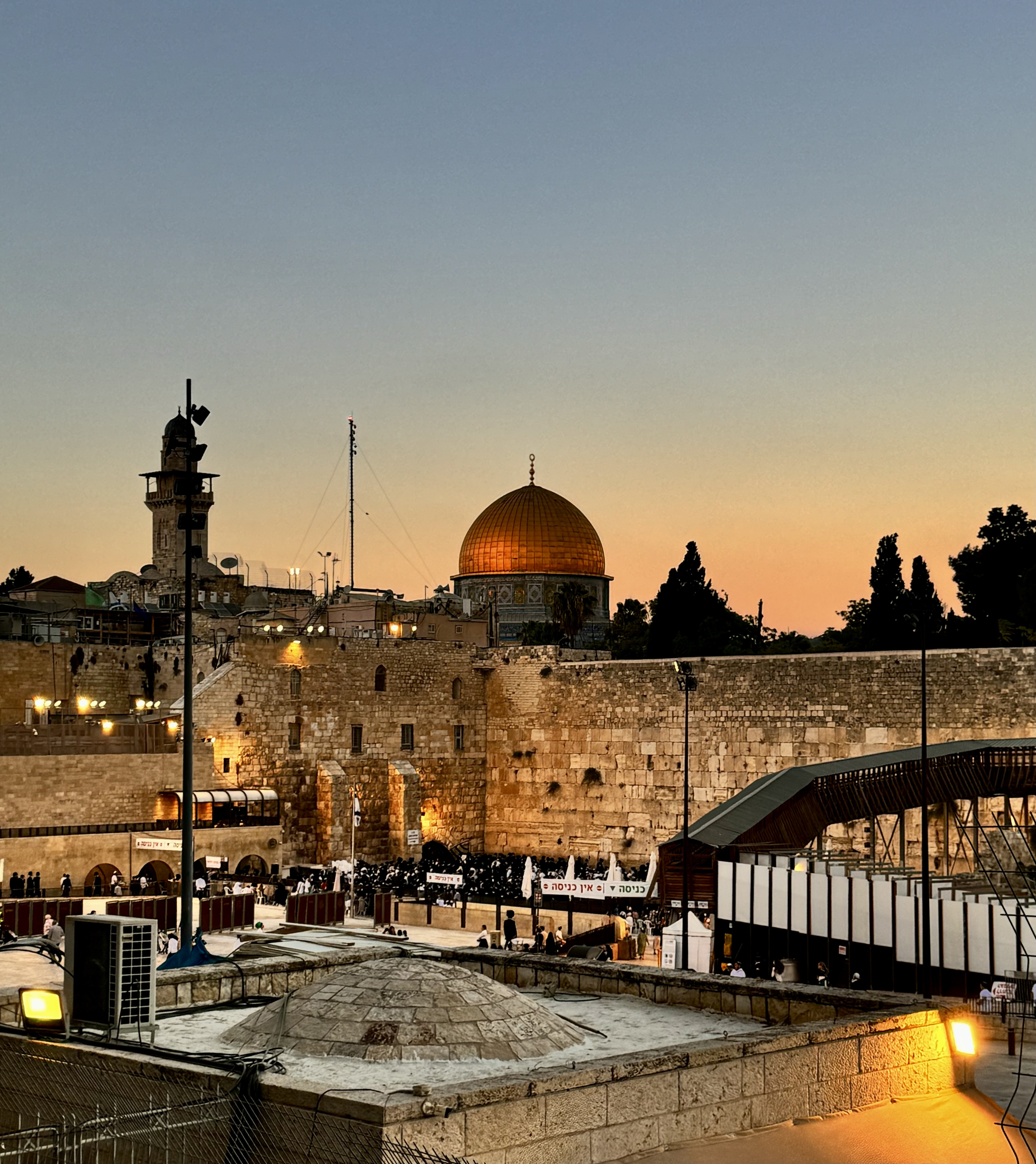
So, how reliable is this information? I can tell you that it tracks with what I was told in 2006 by officials at the Temple Institute in Israel (an organization dedicated to rebuilding the Jewish Temple). In a private meeting, I was told that they know exactly where the Ark of the Covenant is. According to Jewish tradition recorded in the Midrash and Mishnah, King Josiah hid the Ark of the Covenant so that it wouldn’t be captured by the Babylonians when they would eventually conquer Israel and destroy the Temple. Further, they told me that he had hidden it beneath what is now the Dome of the Rock, currently sitting on the former site of the Jewish Temple. The Ark sits in a cave beneath where the Holy of Holies would have been in the Temple. And because the Jews believe in “vertical holiness,” the cave beneath the Holy of Holies is an appropriate place for the Ark to be until the time is right for it to be revealed. So, I guess if the U.S. government wanted to know where the Ark of the Covenant was hiding, they could have just asked the Jews and left the witches and sorcerers out of it.
Of course skeptics abound regarding the reliability of these psychic “viewers.” The remote viewer who located the Ark of the Covenant could have just been a fan of the Indiana Jones: Raiders of the Lost Ark movie, release in 1981. The description that viewer No. 032 provided is strikingly similar to the description of the Ark in the movie.
Yet all of this does evokes thoughts of things historical, of things eternal and things divine. It is simply drenched with apocalyptic vibes. And in light of the constant conflict that surrounds this part of the world, one has to consider why this Cold War-era document has resurfaced now. And combined with the release of new information about what’s under the Pyramids in Giza, Egypt, it appears that interest in the spiritual is spiking right now. My hope is that this interest turns people to God’s Word and the truth of Jesus Christ and his life, death and resurrection that provides the most amazing spiritual reality: forgiveness and peace with God.
 The Global Nexter