
Philip C. Johnson, Ph.D.
December 30, 2024
In these last few remaining days of 2024, I am taking a look at the major events of the last 25 years. If you missed the previous posts, click here (Part 1) and here (Part 2). In this section, I will take a look at the years 2010-2014.
2010: Haiti, Chilean Miners, WikiLeaks and the Arab Spring
Haiti Earthquake:
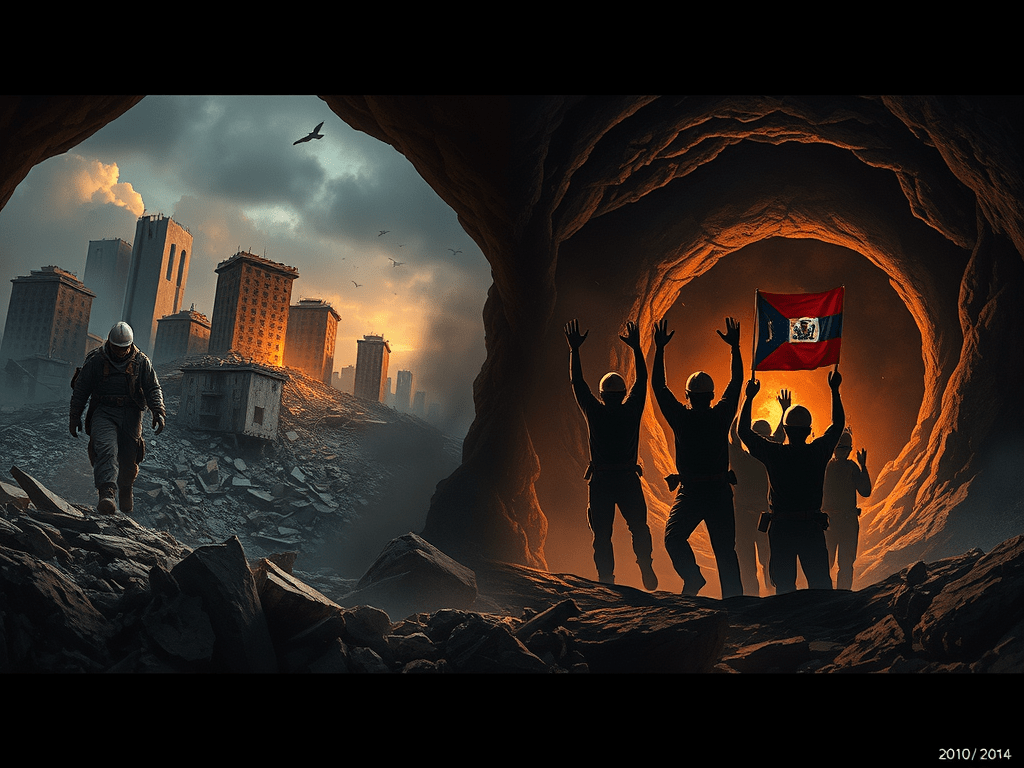
2010 didn’t start out well. On January 12, a massive earthquake (magnitude of 7.0) hit Haiti. The destruction was widespread, leveling much of the capital, Port-au-Prince. An estimated 230,000 people were killed, 300,000 were injured and more than 1.5 million were displaced.

The earthquake impacted all of the critical infrastructure: roads, hospitals, schools and government buildings. The international support was incredible, but given the political instability in Haiti, rife with corruption, reconstruction was slow.
Chilean Miners:
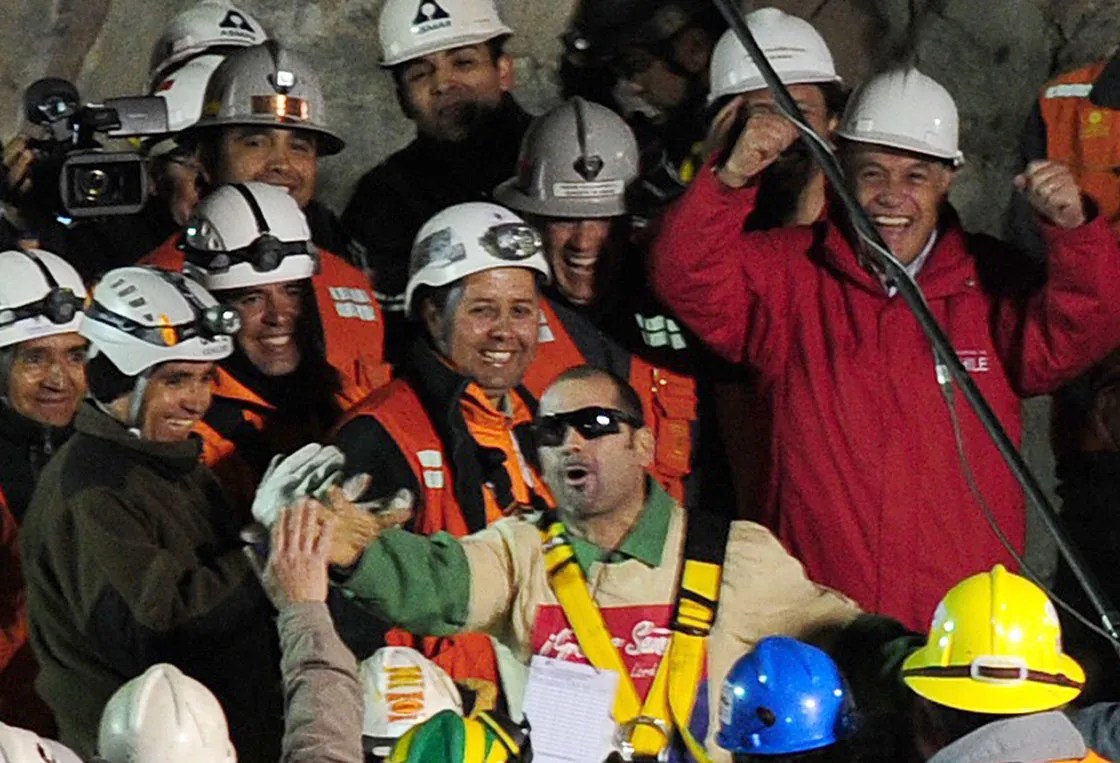
Another event in 2010 was more hopeful regarding the human spirit. In October, the world was glued to their TV’s as they watched 33 Chilean miners being rescued from a collapsed mine. The miners were trapped underground for 69 days. The dramatic media coverage was inspirational as it gave testimony to the importance of teamwork and the sheer power of resilience. To this day, if I am asked about qualities that indicate someone’s likelihood for success, I will always mention “resilience.” In a world that has increasingly highlighted a “victim mentality,” I will push for the opposite. The ability to get over things and to keep pushing forward is essential. Hopefully none of us will have to survive 69 days trapped underground, but on the cusp of 2025, but who knows what we’ll face?
Wikileaks:
In November of 2010 free speech and national security bumped heads in a big way. Julian Assange, the founder of WikiLeaks, a non-profit that publishes classified and sensitive information from anonymous sources, dumped a trove of information on their site. Among the information released was a video showing a 2007 U.S. air strike in Baghdad that killed multiple people, including two Reuters journalists. There were also thousands upon thousand of classified documents that detailed U.S. military operations in Afghanistan and Iraq as well as confidential communications between the U.S. State Department and it’s overseas embassies.
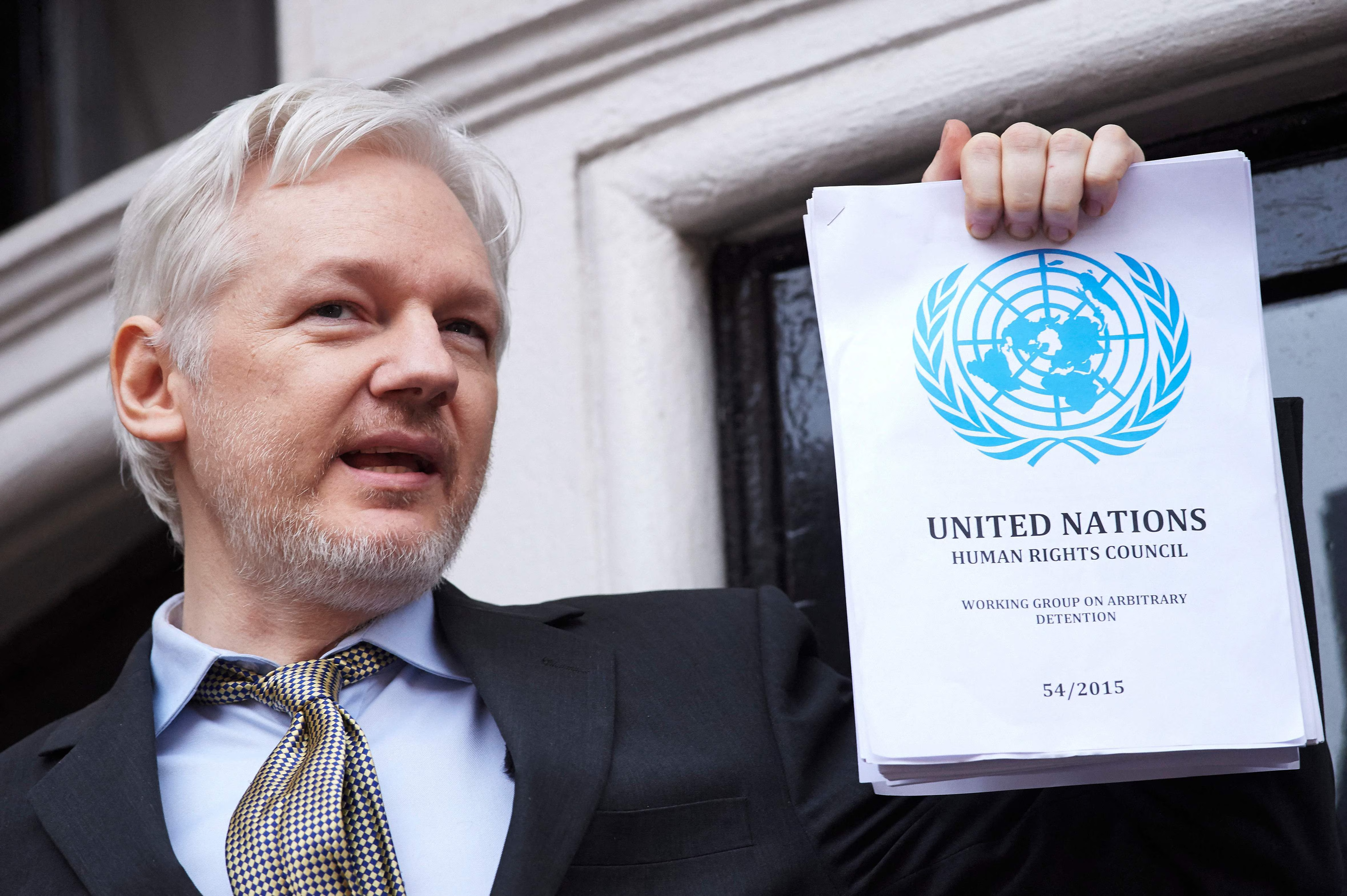
Most of the released information was not flattering to the U.S. and how the War on Terror was being conducted. The controversy comes down to this: Does the public have a right to know what their government is up to? Or is any level of transparency a compromise to national security? The U.S. government would say it’s the latter.
To avoid being extradited to the U.S., Assange sought asylum in the Ecuadorian Embassy in London in 2012 and remained there for seven years. Then the British government arrested him and put him in Belmarsh Prison in London. In 2024, Assange reached a plea deal with the U.S. He pleaded guilty to an Espionage Act charge. He is now living back in Australia with his family. He still advocates for freedom of information.
Arab Spring:
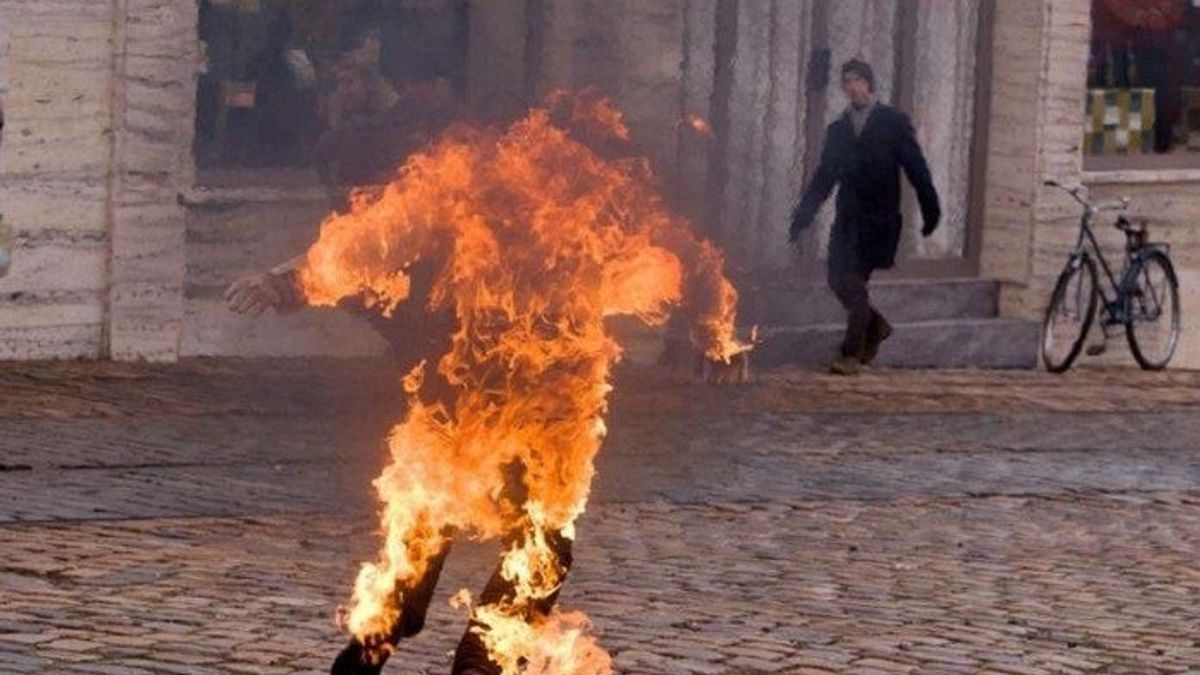
The year closes out with the so-called “Arab Spring.” The Arab Spring was a wave of pro-democracy uprisings across the Middle East and North Africa that politically reshaped the entire region. It all began in Tunisia following the self-immolation of Mohamed Bouazi, a street vendor who was protesting government corruption. The movement spread throughout the Middle East in 2011 and following. The legacy of the Arab Spring is murky. Reforms were few and instability was high. Lots of lives were lost. Civil wars broke out in Libya, Syria and Yemen. The events of the Arab Spring ended up impacting my life very personally as I traveled to track and write about the events and found myself bringing the vision of Global Next to people and in places I never expected to find myself.
2011: The Egyptian Revolution, Fukushima Nuclear Disaster and Osama bin Laden’s Death
Egyptian Revolution:
The year began where 2010 left off – with unrest in the Middle East. The Arab Spring that had begun in Tunisia in December of 2010 carried over into Egypt in January of 2011. The protests began peacefully, but didn’t stay that way.
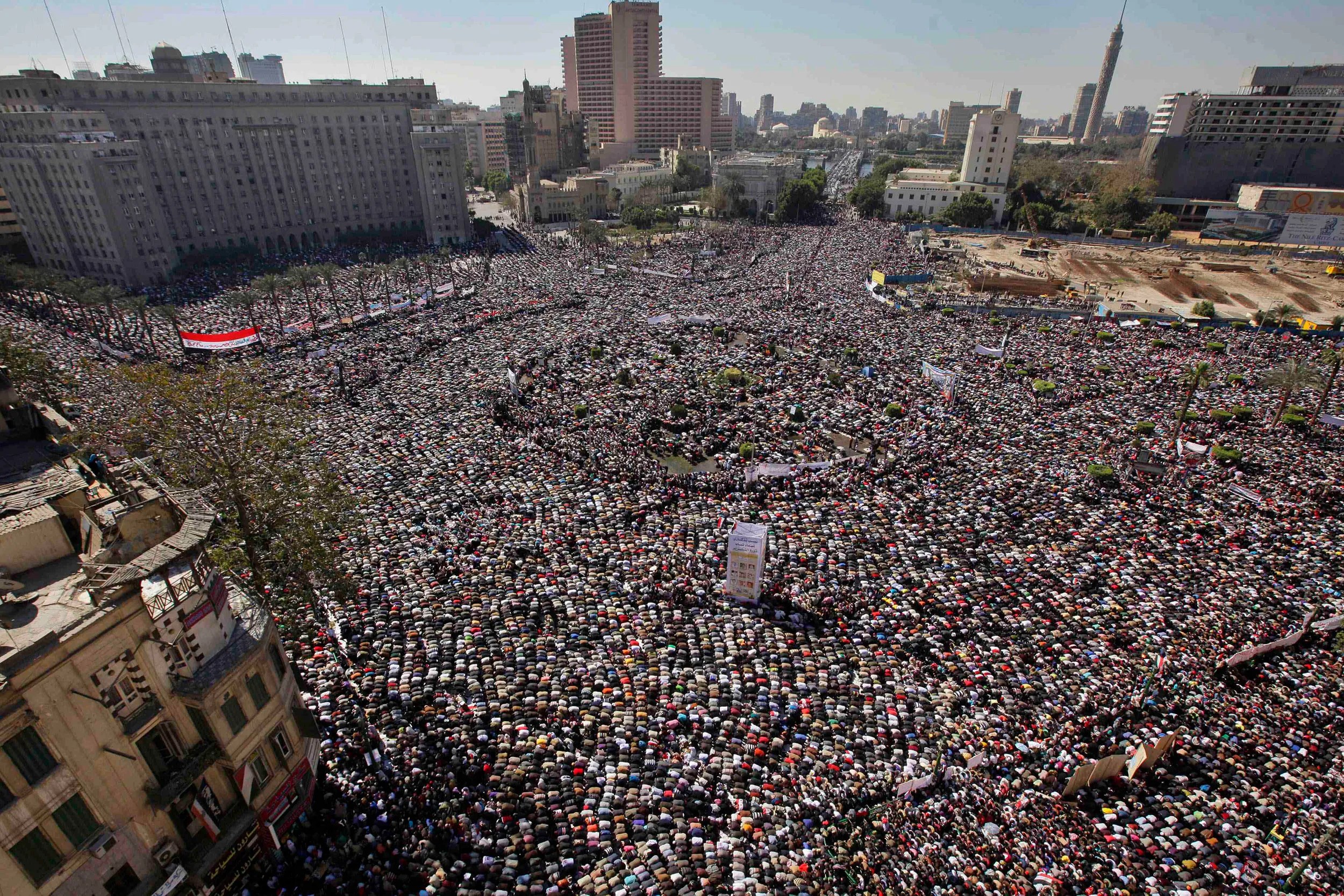
On February 1st over a million people gathered in Tahrir Square (in Cairo) to protest. On February 11th, long-time president, Hosni Mubarak resigned and handed power over to the Supreme Council of the Armed Forces. I was in Egypt A LOT during this period. The briefest way I can summarize what happened is that Egypt went from a military dictatorship in 2011 (under President Mubarak) to a revolution to a “democratic” election in 2012 that put Mohamed Morsi of the Muslim Brotherhood (a terrorist organization) in power. By 2013 a military coup ousted Morsi and Abdel el-Sisi became president. So Egypt ended up where it started – under a military dictatorship. Only with a lot of people dead and a lot of instability along the way. By 2015 I had stopped going to Egypt altogether.
Fukushima Nuclear Disaster:
Sadly, calamity is always featured in our collective review of the world. In mid-March, a mind-boggling 9.0 earthquake struck 45 miles off the Tōhoku region of Japan. It was one of the largest ever recorded globally. The ensuing tsunami caused unbelievable devastation to Japan’s coast. Waves were as high as 130 feet in some areas. 20,000 people died. Entire towns disappeared.
That alone would have been newsworthy. But the tsunami caused massive damage to the Fukushima nuclear power plant. Three of the plant’s reactors suffered a meltdown. Hundreds of thousands were displaced and 51 died while the government tried to manage the disaster.
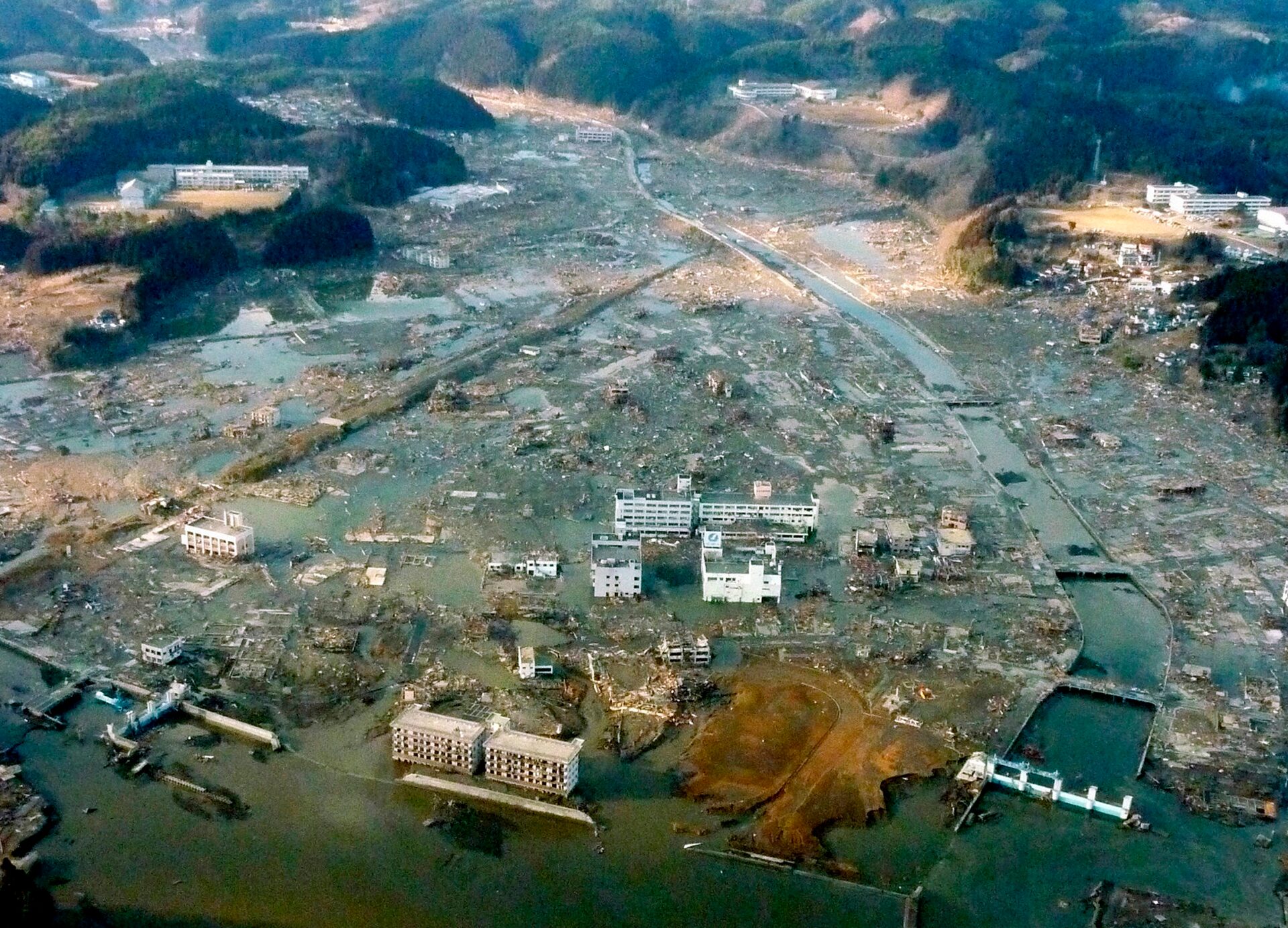
The decommissioning of the nuclear plant is ongoing and not expected to be completed until 2050. Some of you reading this won’t be alive by the time that is finished. That’s a sobering thought.
Osama bin Laden’s Death:
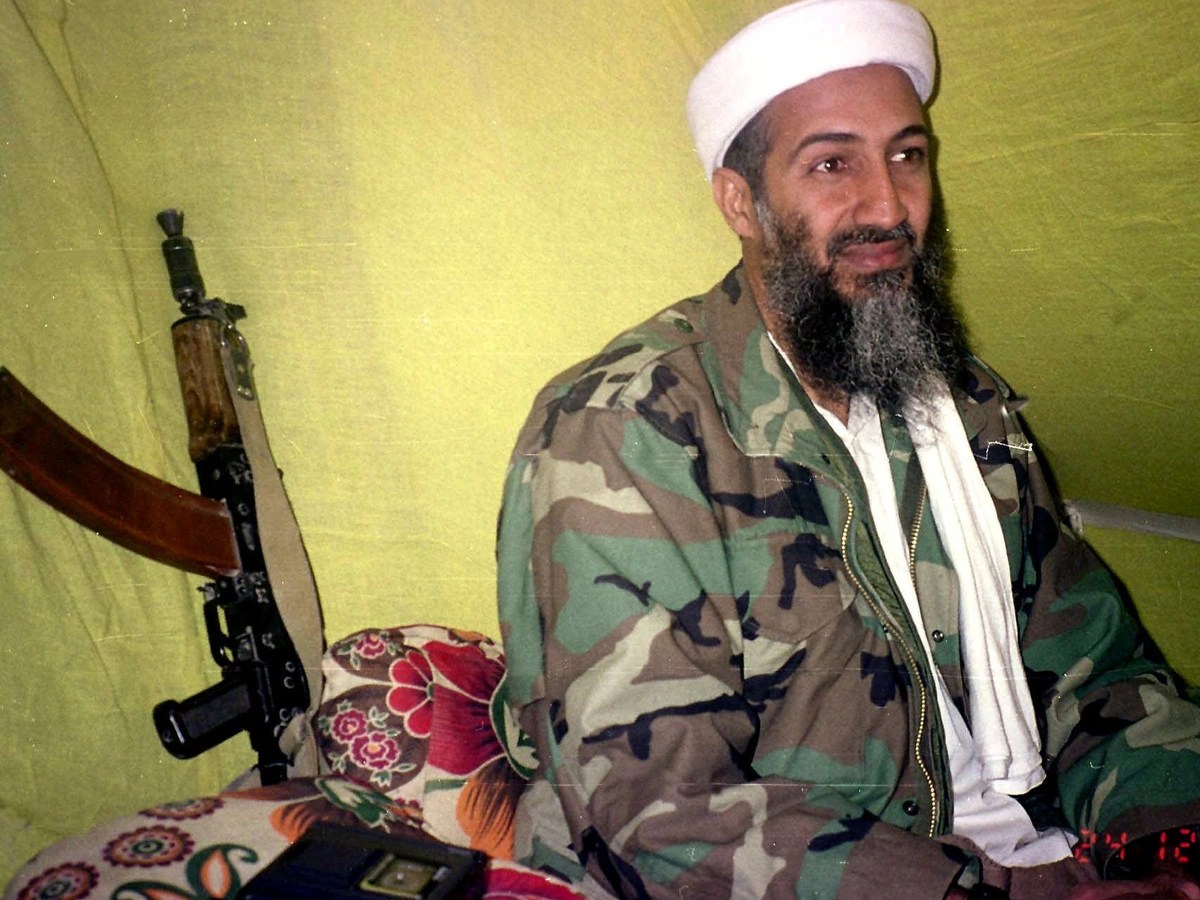
In the category of “unfinished business,” on May 2nd, U.S. Navy SEALs killed al-Qaeda leader and architect of the 9/11 terrorist attacks, Osama bin Laden. He had evaded capture for a decade and was found in Abbottabad, Pakistan, less than a mile from Pakistan’s national Military Academy. Did the Pakistanis know where the world’s most wanted man was? Sure. Did it take too long to track him down and bring him to justice. Yes. Did it provide closure to a nation that is still impacted by the legacy of 9/11? Sort of.
2012: Discovery of the “God Particle,” China’s Xi Jinping, Benghazi and the Mayan Calendar Ends
“God Particle”
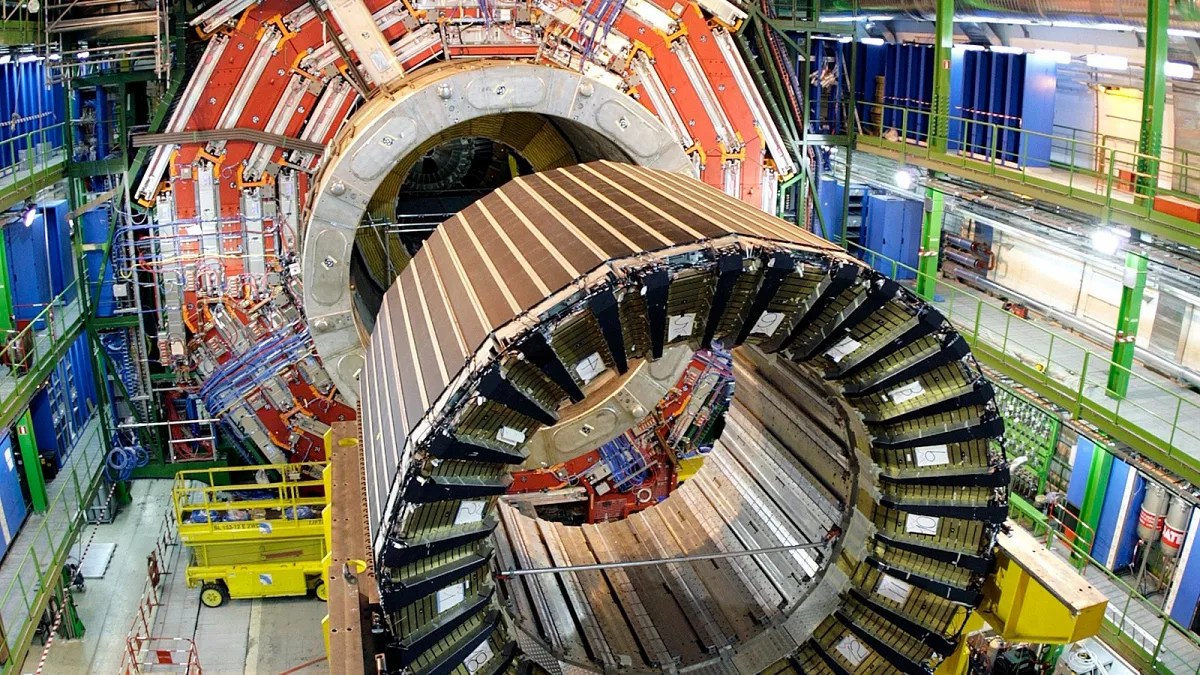
Did science find God? Or create God? Of course not. The European Organization for Nuclear Research, or CERN, spent ten years building the large hadron collider for the purpose of smashing atoms. (Nothing about that to worry about…) In 2012 scientists announced the discovery of the Higgs boson particle, until then it was only a theory. This “God Particle,” according to the theoretical physicists, plays a central role in particle physics. The discovery was a major step towards humans understanding the universe.
From a Christian perspective, I have no problem with this scientific explanation as to why particles have mass. Those at CERN would say that the discovery helps scientists understand the origins of the universe. I would say that it points to an intelligent designer and the intricate laws of physics set in motion by a Creator. At the end of the day, science might be able to explain how things work, but Christianity and the Bible can help people understand “why” things work – the purpose for which they work and the meaning of our lives.
Benghazi Attacks:
On September 11th, the U.S. diplomatic compound and the CIA annex in Benghazi, Libya, were attacked, killing four Americans, including Ambassador Chris Steven’s. The consulate officials had repeatedly asked for more security and had been refused. By the time they were under attack, it was too late to send help.
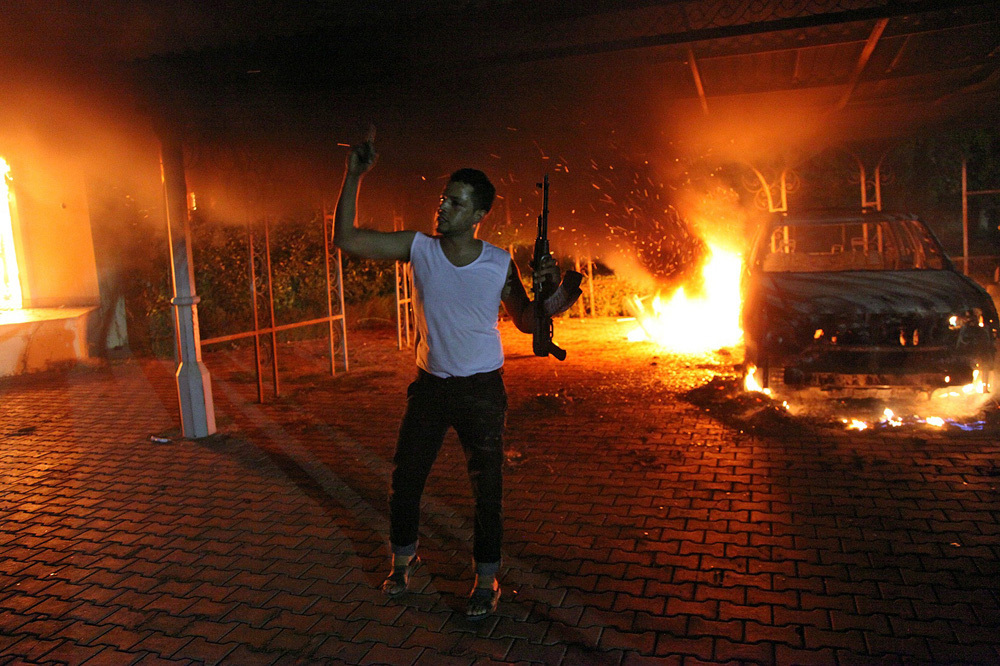
The attack was carried out by a local Islamist group called Ansar al-Sharia. But the U.S. media concocted a story that tried to tell us that this was a spontaneous response to some anti-Islamic YouTube clip. Nonsense. There was an awful lot of obfuscation regarding what happened, who was responsible, and the obvious Islamic motivation of the attack. Hillary Clinton, then Secretary of State, tried to wash her hands of the whole affair. While testifying before Congress and refusing to accept responsibility for failing to protect for U.S. diplomatic missions and personnel, she quipped, “At this point, what difference does it make?” Charming.
Xi Jinping:
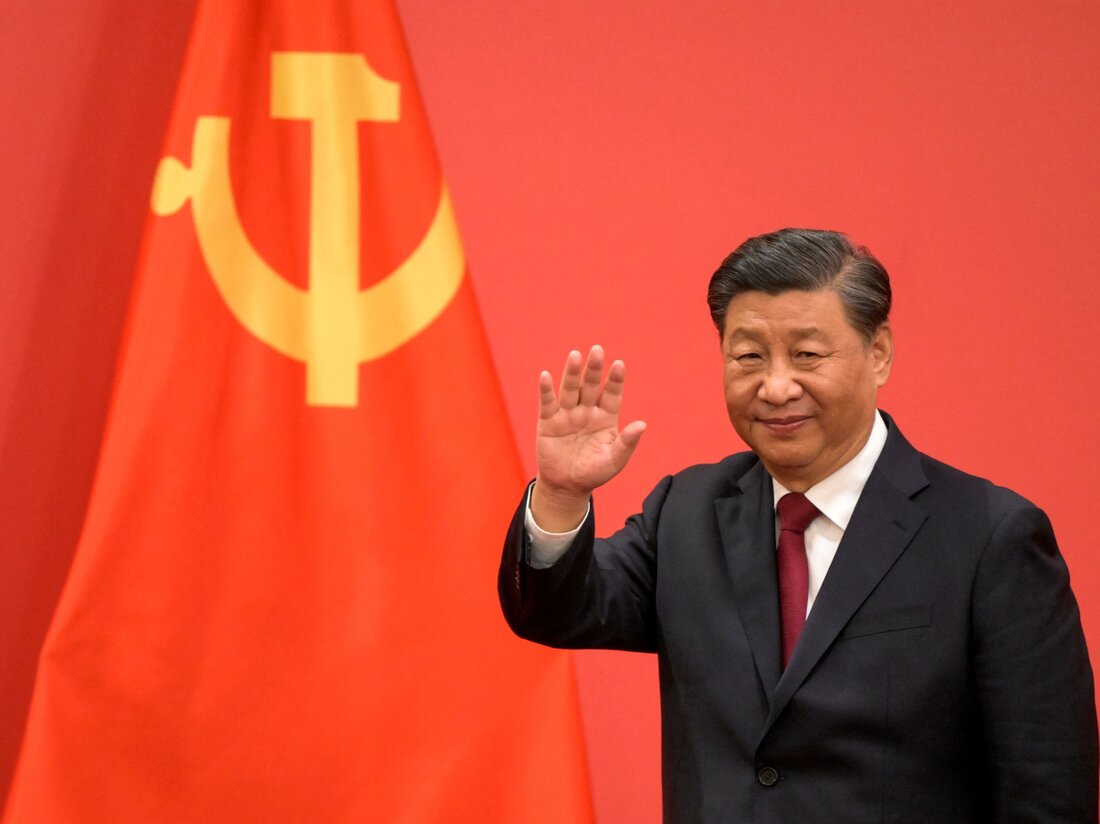
2012 is also the year when our Chinese friend, Xi Jinping became General Secretary of the Chinese Communist Party. Since this year, he had only further entrenched himself in the party and will be there for a long time. Probably forever. Get used to his face.
Mayan Calendar:
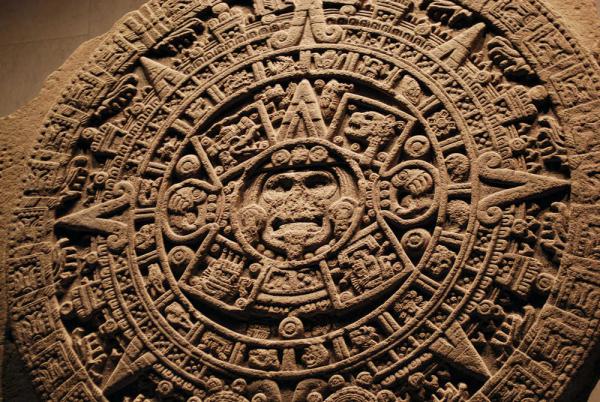
December 21 marked the end of a cycle in the Mayan calendar. Many interpreted this to mean that the world was coming to an end. There were lots of speculations about apocalyptic scenarios. I rather enjoyed some of those speculations. But the Mayan calendar ended and nothing happened. We’re all just fine.
2013: Snowden’s NSA Leaks and Black Lives Matter
Snowden:
Edward Snowden was a former contractor for the U.S. National Security Agency (NSA). He let the cat out of the bag regarding massive global surveillance programs. In June, Snowden leaked classified documents to journalists Glenn Greenwald and Laura Poitras. Snowden’s motivation was that he believed that the NSA’s surveillance programs violated the privacy and constitutional rights of citizens.
Some of the NSA programs allowed for data collection directly from major tech companies like Google, Facebook, and Apple. Metadata from millions of Americans’ phone calls were also collected – even if these folks were not suspected of any crimes. And that’s just some of the shenanigans that were going on. Like Julian Assange before him, Snowden faces charges under the Espionage Act. To avoid extradition to the U.S., Snowden sought asylum in Russia, where he lives today.

The debate continues between government agencies’ views that they need to keep you “safe,” and an individual’s right to privacy. One thing is certain, most people have few secrets from the government and Big Tech. And one day, in surprising ways, information about what you think, what you believe, what you’ve publicly posted online and who you’ve financially supported maybe very well be used against you. It’s probably already too late.
Black Lives Matter Movement
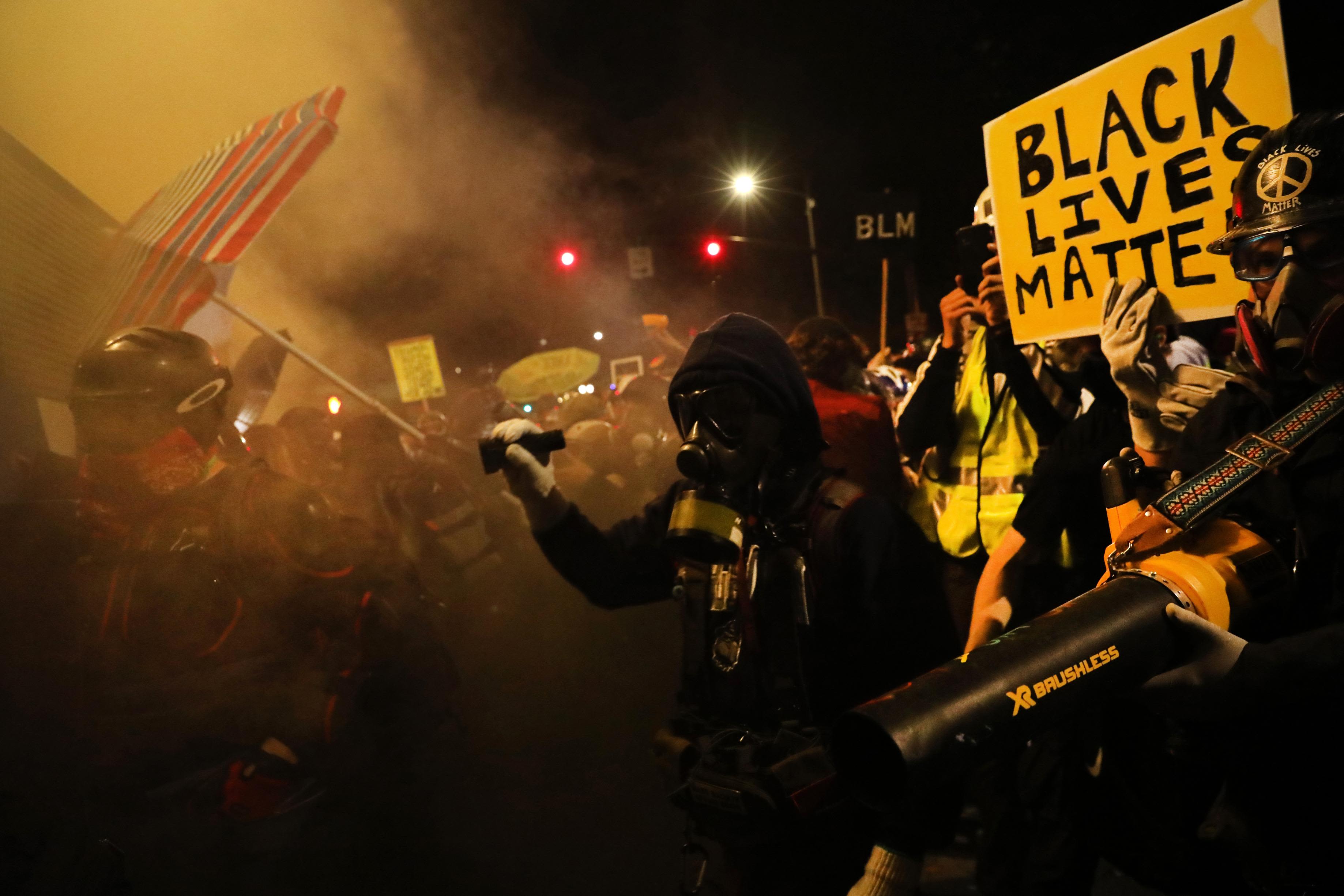
It started in July as a hashtag: #BlackLivesMatter. It was in response to the acquittal of George Zimmerman in the fatal shooting of Trayvon Martin, an unarmed Black teenager. The purpose was to address so-called “systemic racism” and police brutality. Over the next few years, the hashtag grew into a global movement and involved cases like the deaths of Michael Brown and most consequentially, the death of George Floyd.
The movement has plenty of critics including those who accused BLM of promoting anti-police rhetoric and very radical political views. Other criticisms involved the violent nature of BLM protests and lack of financial transparency with allegations in 2022 of misuse of donations.
2014: ISIS, Russia Annexes Crimea and the Disappearance of Malaysian Flight MH370
ISIS
ISIS (Islamic Sate of Iraq and Syria) also known as ISIL or Daesh grew out of al-Qaeda in Iraq in 2003. But it was 2014 when ISIS declared itself a caliphate, claiming religious and political authority over Muslims the world over. At its peak, ISIS controlled huge parts of Iraq and Syria – home to millions of people.
ISIS gained infamy for conducting mass executions, often targeting ethnic and religious minorities. They enslaved and trafficked women and children. They produced graphic propaganda videos showing shootings, beheadings and burning people alive – all designed to instill fear in those under it’s Shariah law as well as anyone who would dare to oppose them.

I spent time in Iraq in 2015-2017, during the height of ISIS’s horrific reign of power. You can read about it in my book and other stories of the last quarter century in my book, “Before it Gets Dark.”
Crimea:
In February of 2014 I went to Kiev, Ukraine to cover the Euromaidan Protests – a massive protest that forced pro-Russian President Viktor Yanukovych to flee the country. The protesters wanted closer ties with the European Union. But as social unrest inevitably creates instability, Russia said to itself, “Hey, let’s capitalize on this political instability and grab ourselves a piece of Ukraine, specifically Crimea.” (This is my loose translation from the original Russian – translations may vary.)
On March 16th, a referendum was held in Crimea with a reported 96% voting to join Russia. Because there was no international oversight and because the Russian military was already occupying Crimea, some folks are skeptical of the legitimacy of the vote. Go figure. Everyone’s a critic.
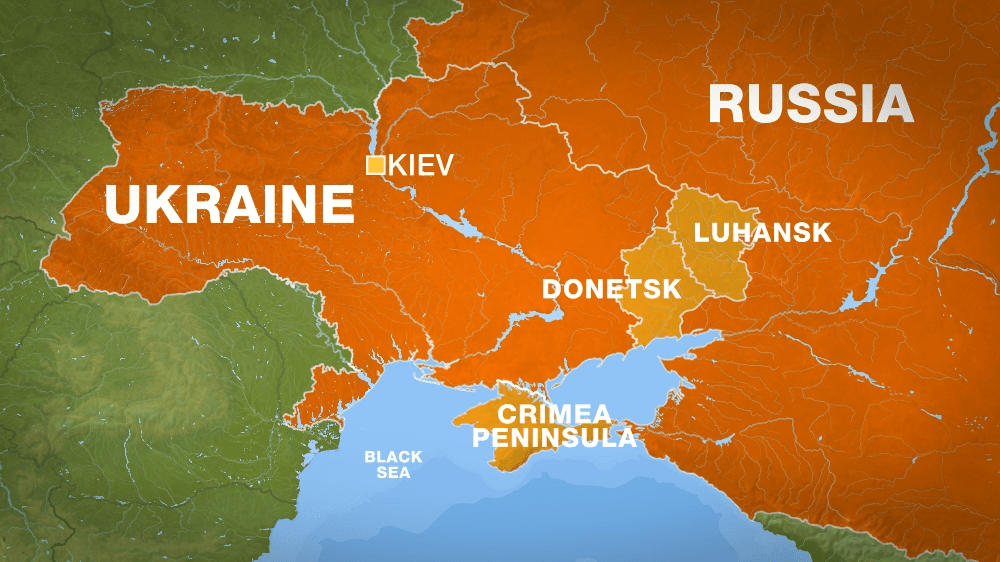
The expected condemnations and sanctions were imposed buy the U.S. and E.U., etc. But really, no one did much about it. The conflict eventually escalated into the full-scale Russian invasion of Ukraine in 2022. We’ll talk about that later.
Malaysian Airlines MH370
One of the most intriguing happenings of 2014 was the disappearance of Malaysian Airlines Flight MH370. On March 8th, flight MH370 vanished from radar about 40 minutes after takeoff over the South China Sea. The flight was en route from Kuala Lumpur to Beijing. There were 239 people on board. There have been extensive searches. It’s been reported that pieces of debris confirmed to be from the aircraft were found along the coasts of Africa and Indian Ocean islands. But what happened? How did it disappear from radar? Where the bodies? How is it possible in the 21st century to completely lose track of a plane and hundreds of people?

Was there mechanical failure? Did the pilot commit suicide and took everyone with him? Was it a hijacking? I am totally into this kind of story. Feel free to suggest any theories or poorly made documentaries. I’m all in.
Check back tomorrow for Part 4!
 The Global Nexter
One thought on “2025: QUARTER CENTURY REVIEW: PART 3”