
Philip C. Johnson, Ph.D.
December 29, 2024
In these last few remaining days of 2024, I am a taking a look at the major events of the last 25 years. If you missed the first article in this series, click here! In this section, I will take a look at the years 2005-2009.
2005: Pope John Paul II and Hurricane Katrina
In April, at the age of 84, the world lost Pope John Paul II. He had served as pope from 1978 to 2005 and was viewed as one of the most influential and respected leaders of the Catholic Church. Born in Poland, he was the first non-Italian pope in over 450 years.
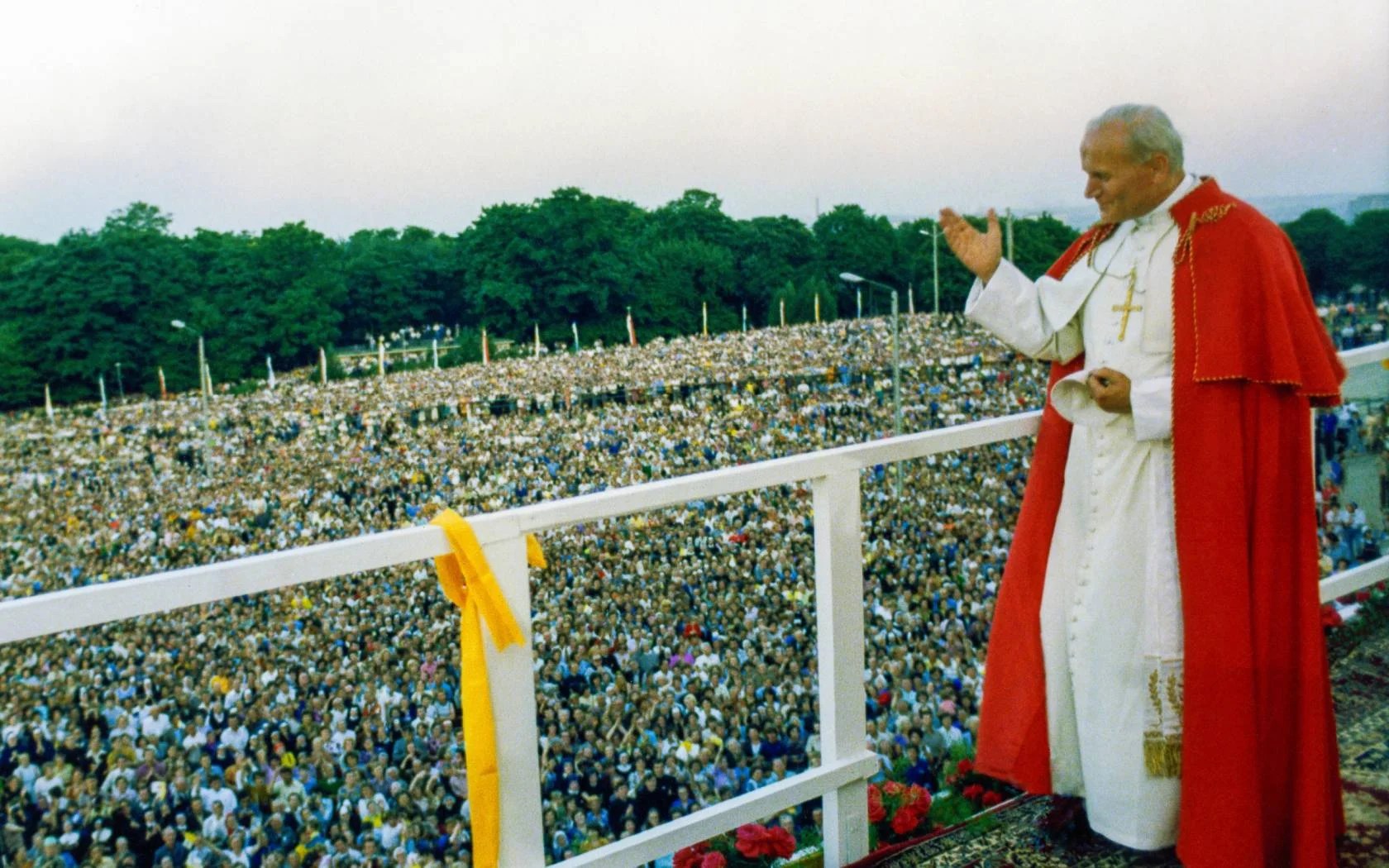
I am not Catholic and I am no apologist for the Catholic Church, but I appreciated John Paul’s conservative stance on moral issues and his opposition to Communism, especially in Eastern Europe. He was a contributing factor in the fall of the Soviet Union.

In August of 2005, Hurricane Katrina struck the U.S. Gulf Coast. Over 1,800 people died as a result of the hurricane. Thousands more were displaced. It was the fourth deadliest hurricane in U.S. history. The damage was estimated at over $125 billion. (The Great Galveston Hurricane in 1900 was the deadliest, killing between 8,000 and 12,000 people.)
On the political side, federal, state and local governments faced heavy criticism for their slow and inadequate response to the disaster.
2006: Twitter, North Korea, Saddam and Pluto
Launched in March of 2006, Jack Dorsey, Biz Stone and Evan Williams created a little social media platform called “Twitter.” This platform would go on to become one of the most influential sites in the world, especially when it came to political happenings and opinions. And memes. And trolls.
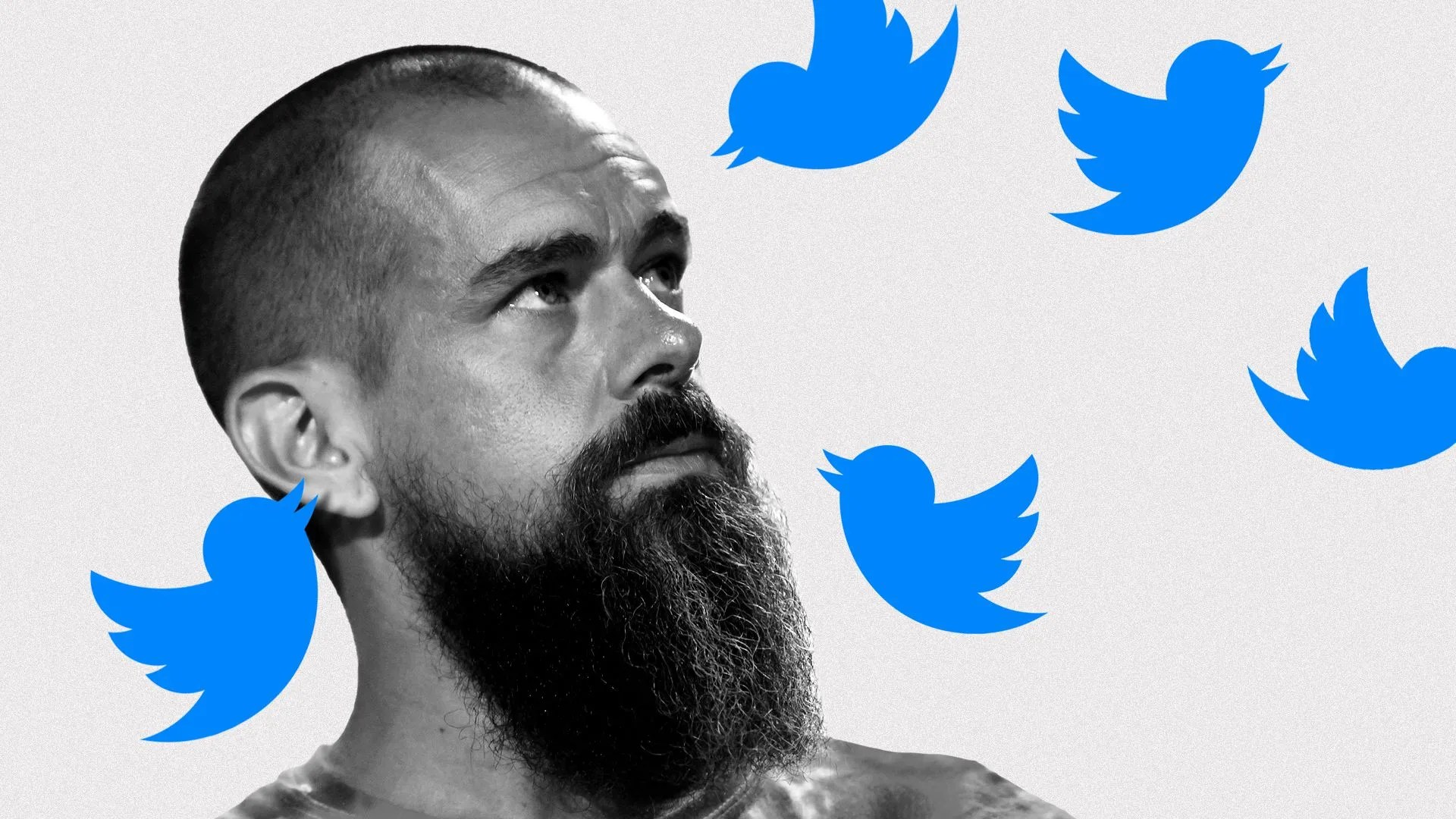
Twitter was so influential that apparently between 2018 and 2022, government agencies like the FBI and the Department of Homeland Security (DHS) collaborated with Twitter to moderate or remove posts. So much for freedom of speech. This was all revealed in late 2022 and early 2023 with the release of the “Twitter Files,” a series of internal documents shared by journalists.
According to the government agencies, people’s speech had to be policed because of concerns about election security, (TRUMP) public health (COVID) and national security (RUSSIA). But then Elon Musk bought Twitter and renamed it “X” and free speech was back in business. Sort of.
However, back in the year 2006, there were interesting things to “Tweet” about: North Korea conducted its first underground nuclear test. After being convicted of crimes against humanity, former Iraqi president Saddam Hussein was executed. And the planet, formerly known as Pluto, got demoted to a “dwarf planet.”

Having been a fan of Pluto since elementary school, this has always struck me as sad. The reason for the demotion was due to the fact that it was unable to clear its orbital path of debris. Pluto shares its orbit with other large objects. So what? Perhaps Pluto is just generous with its orbit. I’m still rankled about this. It’s one thing to have never been a planet at all. But to have been a planet in good standing one day, and then find out the next day that you’ve been kicked out of the club, well – that’s brutal. #justiceforpluto.
2007: The iPhone and Nancy Pelosi
The biggest impact of 2007 was undoubtedly the introduction of the iPhone. I was one of those “early adopters” of technology and stood in line to get mine. By contrast to today’s iPhones, it was small, yet bulky. It sported a 2MP camera. Today’s iPhone screens have gotten larger and with higher definition, and the phones have gotten thinner. (For a while, the phones looked like they would get tinier and tinier, but that would not end up being the case!) The camera on my current phone features a triple camera with a 48MP main camera. I don’t need to see anyone or anything that clearly!
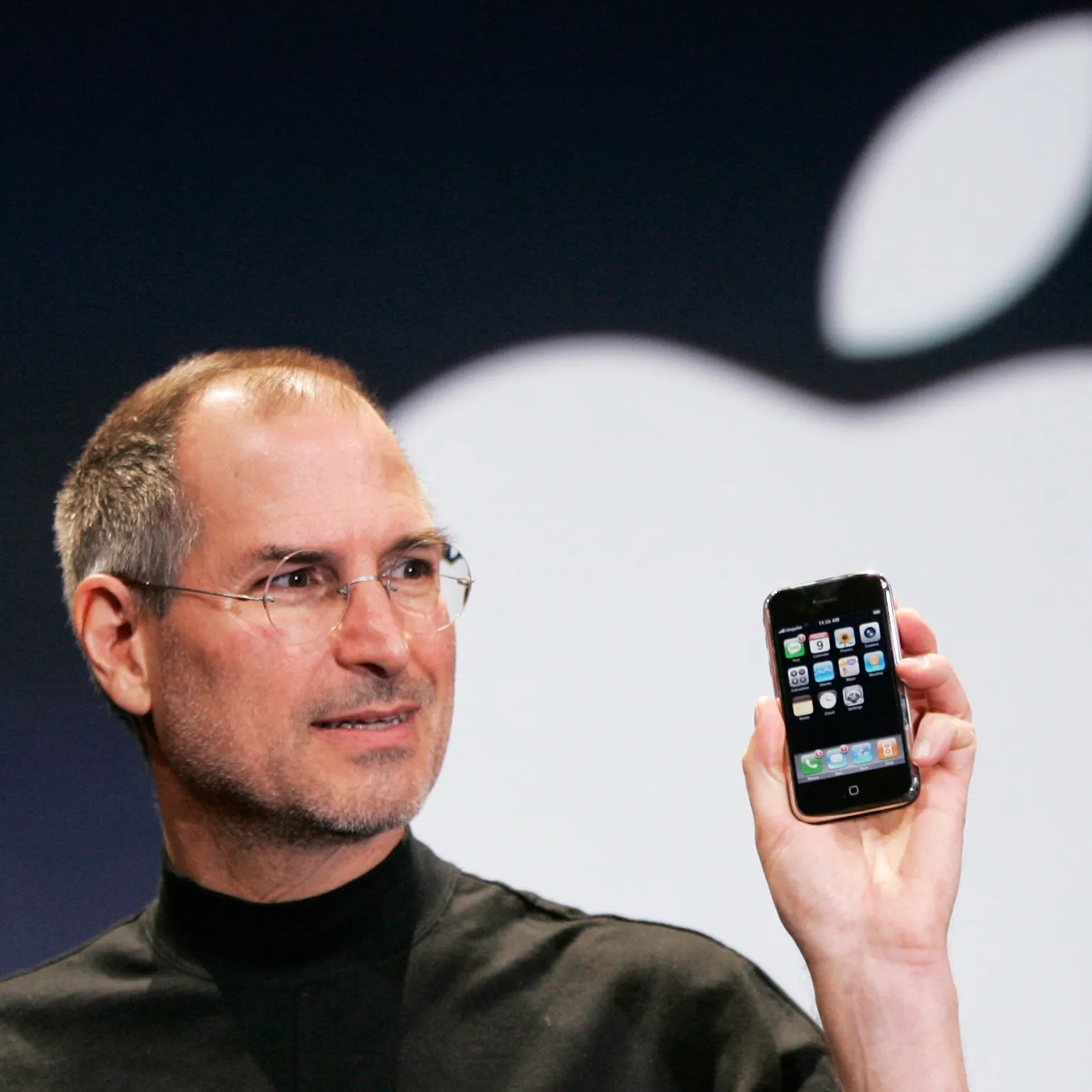
With super connectivity, the iPhone – and other smart phones like it, have changed human behavior forever. On the positive side, you have the ability to connect with just about anyone in the world and to access information on any topic. And it’s all right in your pocket. On the downside, people are addicted to their phones in a way that few saw coming. People are more interested in what’s happening elsewhere than with the people they are actually with.
And with so much information available, there seems to be less wisdom in how to use, analyze, contextualize and filter that information. I am always quite pleased when I hear young people tell me that they don’t have a smart phone – or social media. The longer that can be delayed, the better for humanity.
In other news that would have long-lasting impact, the 110th Congress convened with Nancy Pelosi becoming the first female Speaker of the House. She’s no longer the Speaker, but she is still in Congress at the age of 84. She is currently recovering from a broken hip and hip replacement surgery. Thoughts on age limits for our government leaders? According to a 2023 Pew Research Center report, 79% of Americans think there should be.
2008: Global Financial Collapse, Global Next, Mumbai Terror Attacks and Barack Obama
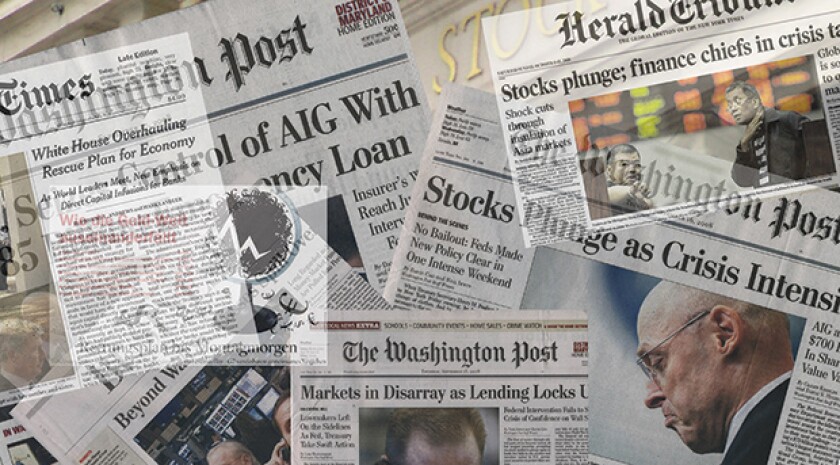
2008 was a year filled with consequential events. One of the biggest stories of the year was the global financial crisis – a severe economic downturn that originated in the U.S. housing market and spread throughout the world. It was the most significant financial crisis since the Great Depression.

So for whatever reason, I decided to launch Global Next as an official, independent company during the worst economic situation of my lifetime. Go figure. But ideas sometimes take on their own timeline – especially when they involve things that are bigger than yourself and more important than any given moment in history. The vision of Global Next began in 2001, and for a number of years it was a developing idea of integrating education with global travel. That in and of itself, is not very original. But what makes Global Next unique is our ability to integrate leadership training, geopolitics and journalism, all from a distinctly biblical perspective. Our goal was, and still is, to connect truth to location. And nearly 17 years and 50 countries later, God’s providence has been humbling and sustaining.
In 2008 there was also a bitter reminder that terrorism was still alive and well. From November 26-29, ten members of the Pakistan-based militant group Lashkar-e-Taiba, arrived in Mumbai, India by sea and executed a series of shootings, bombing and hostage situations. 166 people were killed and over 300 were injured. The attack was intensely dramatic and visually remembered for the fire and smoke pouring out of the Taj Hotel.
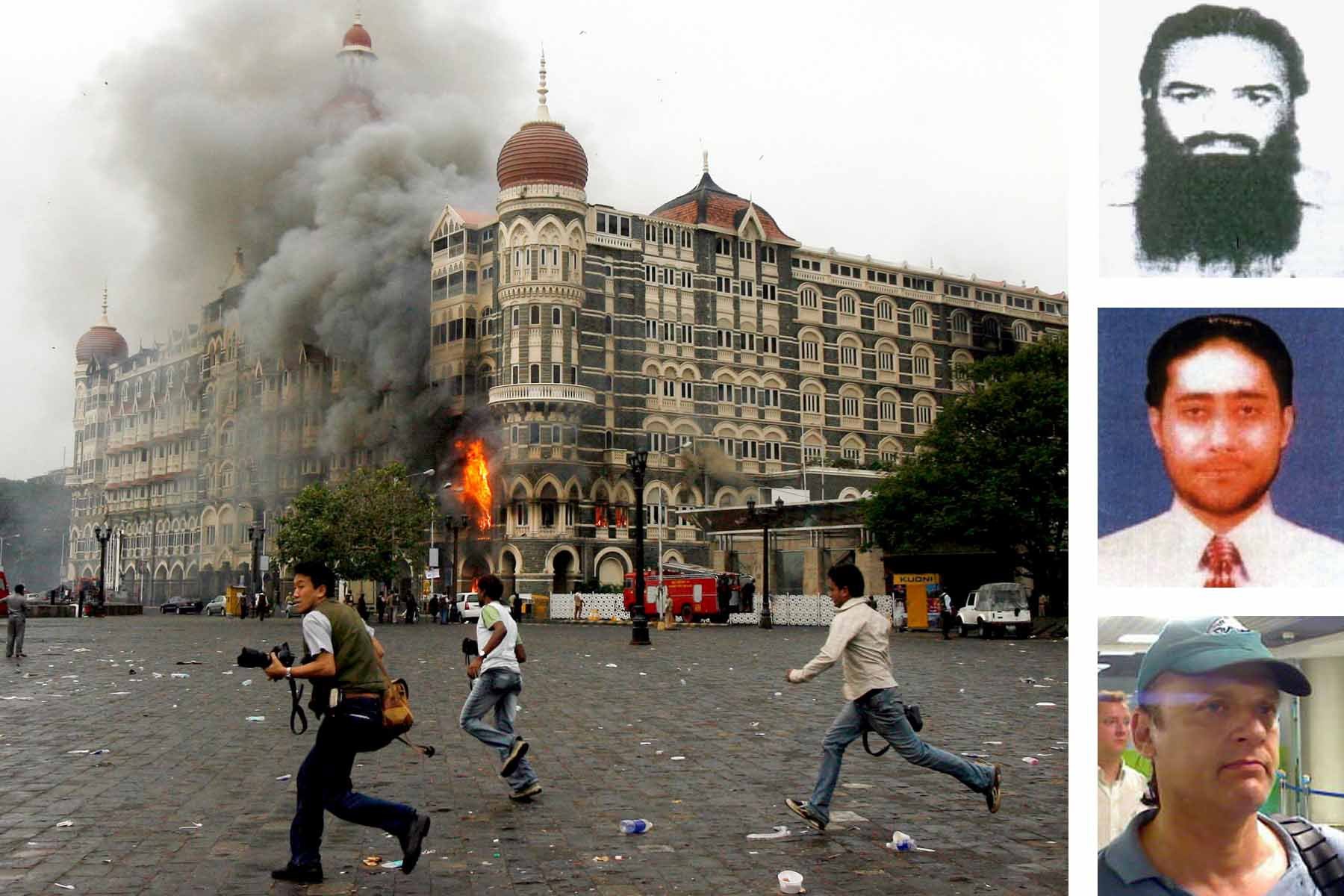
The lone surviving attacker was Ajmal Kasab who was captured and tried. He was executed in 2012. I visited Mumbai that year to interview eye-witnesses of the attacks. I stayed at the Taj Hotel and spent time with unsung heroes (hotel workers) who helped protect the hotel’s guests during the brutal attack. This event may not be on everyone’s “top events of 2008,” but it remains on mine, probably because issues of geopolitics, terrorism and the abiding belief that Jesus is the only answer to a broken world, are near to my heart and the work of Global Next.
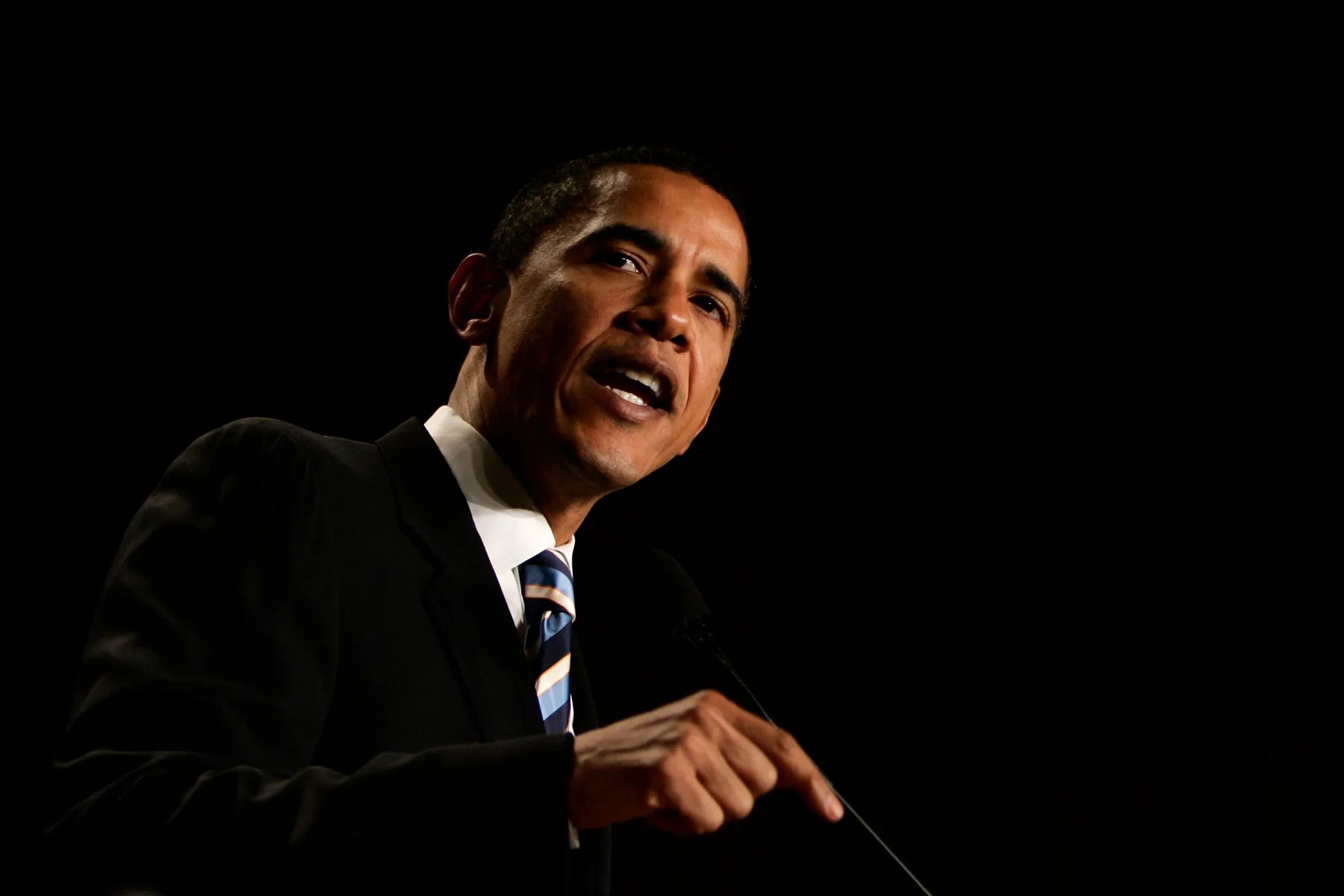
Finally, in November of 2008, Barack Obama won the presidency with 365 electoral votes becoming the 44th President of the United States. He was the first non-white president in the country’s history. For many, the first Black president redefined what was possible in America. Unfortunately, what should have been proof positive of a post-racial America, the two terms that Obama served seemed to only create more division and more distrust between people than ever.
2009: H1N1 Swine Flu Pandemic and Michael Jackson
The World Health Organization (WHO) declared the H1N1 swine flu a global pandemic in June of this year. The virus spread rapidly but proved less deadly than initially feared. Thinking back, this pandemic barely makes a dent in my memory of events. That cannot be said of pandemic-related events that would begin one decade later.

Also in June, iconic pop star Michael Jackson died from an overdose of propofol. Michael Jackson’s personal legacy is sketchy at best. But there are plenty of opinions and documentaries that can fill you in on the alleged details – details that cannot be addressed by a dead man. However, what is not in dispute was his musical genius. His trilogy of 1980’s albums, “Off the Wall,” “Thriller,” and “Bad” have sold a combined total of 135 million copies worldwide. And that number only grows. The Michael Jackson era was a time when music listening was less fragmented and people could enjoy a shared experience. We all knew the same songs. I miss those times.
Check back tomorrow for Part 3! Check out Part 1 Here!
 The Global Nexter
Can’t wait to read on. I had NO idea about Pluto! I do remember however, as your friend, when Global Next was “born” . This is all such and awsome collection of recap! Do you remember when I brought those first groups to Europe….I didn’t allow phones because I saw the distraction it caused?