
By Philip C Johnson – July 28, 2025
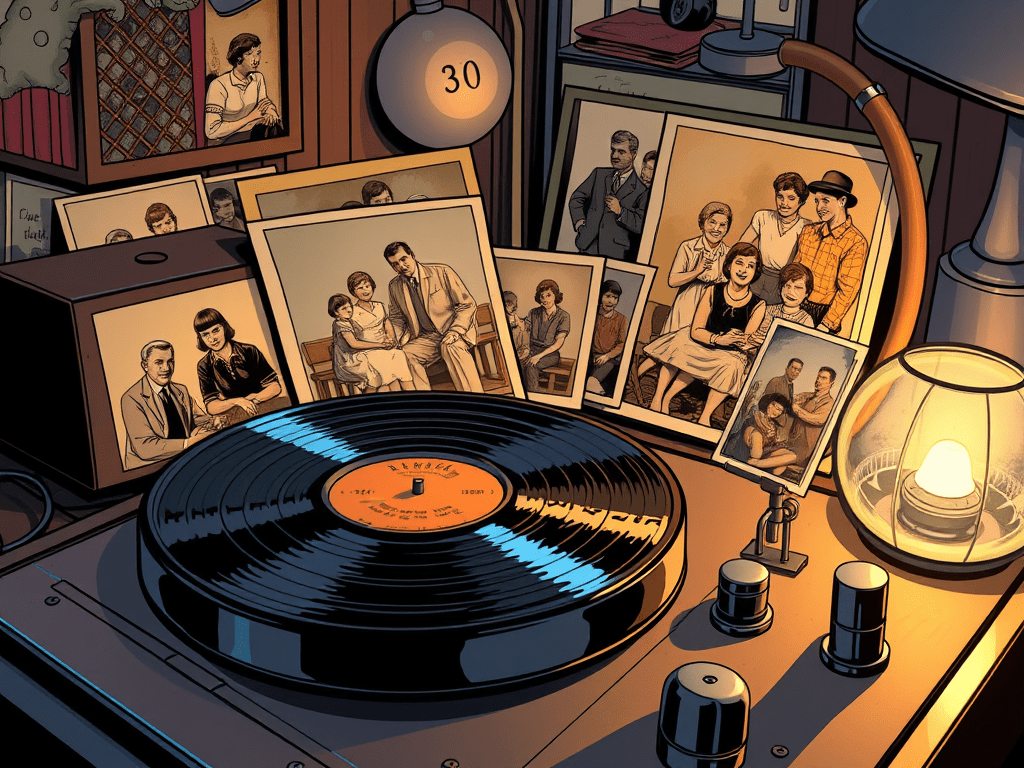
Our journey through America’s generations continues with the Silent Generation, born between 1925 and 1945. With about 10–12 million still alive today, roughly 3–4% of the U.S. population, they’re a small but mighty cohort. Shaped by hard times and historic shifts, they’re known for their grit and quiet resolve. So, pour some coffee, spin a vinyl of Sinatra, and let’s dive into their story with a nod to their era’s charm. Each generation weaves its thread into God’s tapestry of time, and the Silent Generation’s steady strand—strong, subtle, and generous—laid a foundation for those to come.
Defining Characteristics: Duty, Loyalty, and Steadiness
The Silent Generation got things done without stealing the spotlight. Born in the Great Depression’s final years and raised through World War II, they prized hard work, frugality, and loyalty. Grand gestures weren’t their style—stability was. At work or home, they kept life’s gears turning, earning their “silent” label from a 1951 Time magazine article that called them cautious and unadventurous. But don’t mistake quiet for weak; their steady hands built the backbone of modern America.
Shaping Events: Hardship and Hope
Big events shaped their worldview. The Great Depression (1929–1939) taught them to stretch every penny, with families often surviving on less than $20 a week. World War II (1939–1945) meant rationing, loss, and unity—kids tended victory gardens while adults powered factories. The war’s end in 1945 sparked prosperity, with suburbs exploding—13 million new homes by 1960. The Cold War (late 1940s–1950s) and McCarthyism’s anti-communist paranoia kept them on edge, craving peace. The Korean War (1950–1953), with 1.8 million Americans serving, reinforced their sense of duty. These moments wove a generation that valued order and resilience.
Pop Culture: Hula Hoops, Crooners, and Black-and-White Classics
Forget Netflix—the Silent Generation had radio, vinyl, and the dawn of TV. They spun hula hoops (25 million sold in 1958!), bounced Slinkies, and battled over Scrabble or Monopoly boards on family nights. Music meant smooth crooners—Frank Sinatra’s “I’ve Got You Under My Skin” (1956) and Bing Crosby’s “White Christmas” (1942) were jukebox gold. Movies like Casablanca (1942), with its timeless romance, It’s a Wonderful Life (1946), tugging heartstrings, and the remake of The Ten Commandments (1956), a biblical epic, packed theaters. I Love Lucy (1951) brought belly laughs to early TVs, while radio dramas like The Shadow kept listeners glued. It was simple, shared fun that lit up their world.
Views on Marriage and Sexuality: Traditional and Private
Marriage was the bedrock of Silent Generation life. Most wed young—men at 27.2, women at 24.7 on average by the late 1960s, per Census data. Divorce was rare, with only 5% of marriages ending by 1960, showing a commitment to lifelong bonds. Sexuality was kept hushed, tied to traditional norms—Gallup polls from the 1950s show just 21% approved of premarital sex. Homosexuality was widely taboo, with 63% of Americans in the 1950s viewing it as morally wrong, per Pew Research.
Views on Truth and the Bible: Anchored in Faith
Church was a community cornerstone. About 57% of those born in the 1920s–1930s attended weekly services as kids, per Pew Research, outpacing later generations. Many saw the Bible as a moral compass, with 77% of 1950s adults believing in absolute right and wrong, per Gallup. Fundamentalists, energized by the 1925 Scopes Trial, championed biblical inerrancy, viewing Scripture as literally true. Billy Graham’s crusades were massive—2.5 million attended his 1957 New York rally, per event records, showing faith’s grip on their lives. Church wasn’t just a building; it was a way of life.
Attitudes Toward Other Generations: Respect with Reservations
They admired the Greatest Generation’s wartime courage but found them a tad stiff. The Baby Boomers’ rebellion—think Elvis’s hips or picket signs—left them puzzled, shaking their heads at the noise. Millennials and Gen Z? They respect their tech wizardry but worry about their “me-first” streak over duty. Hard work and loyalty were their north star, and they’d nudge others to stay grounded while embracing change.
Generational Blind Spot: Playing It Too Safe
Their strength—stability—had a flip side: caution. The Silent Generation clung to tradition, whether in politics or social norms, sometimes missing chances to innovate. Compared to the bold Boomers, their reluctance to rock the boat could seem passive, a trait critics called out as lacking vision. Order was king, but it occasionally stifled progress.
Challenges: Navigating a Changing World
Economic swings, global tensions, and rapid change tested them. The Cold War’s nuclear shadow loomed, with 60% of 1950s Americans fearing atomic war, per Gallup polls. McCarthyism’s paranoia made trust tricky. Raising families in this flux demanded grit—it was common for a factory worker to save every spare dime after Depression hardships, to build a secure life for his kids. Their knack for adapting while staying steady was their superpower.
Legacy: Builders of Modern America
The Silent Generation wove a strong thread into America’s future. They built over 50,000 churches in the 1950s, fueled suburban growth, and drove economic gains—post-war GDP grew 4% annually, per Bureau of Economic Analysis. Their work ethic shone through, with 70% voter turnout in 1950s elections and countless hours volunteering. Their quiet determination shaped a stable nation, a legacy that endures. As Ecclesiastes 3:11 says, “He has made everything beautiful in its time. Also, he has put eternity into man’s heart.” Their steady contributions, woven into God’s tapestry, reflect a timeless purpose.
Next up, we’ll explore the Baby Boomers, born 1946–1964, who cranked up the volume and shook things up—stay tuned!
 The Global Nexter